
A Sustainable Revolution for Architecture, Conservation, and Heritage Display
When it comes to restoring, conserving, or visually enhancing historic buildings, the materials we use carry more than just aesthetic weight — they carry the burden of responsibility. Conservation professionals, curators, architects, and exhibition designers face daily challenges in preserving fragile, timeworn walls and surfaces. Add the demand for digital storytelling and modern visuals, and the pressure on heritage environments intensifies.
Phototex,, The self-adhesive, woven polyester fabric is changing how we interact with historic interiors, architecture, and conservation-grade display design.
A Material Designed for Preservation, Not Destruction
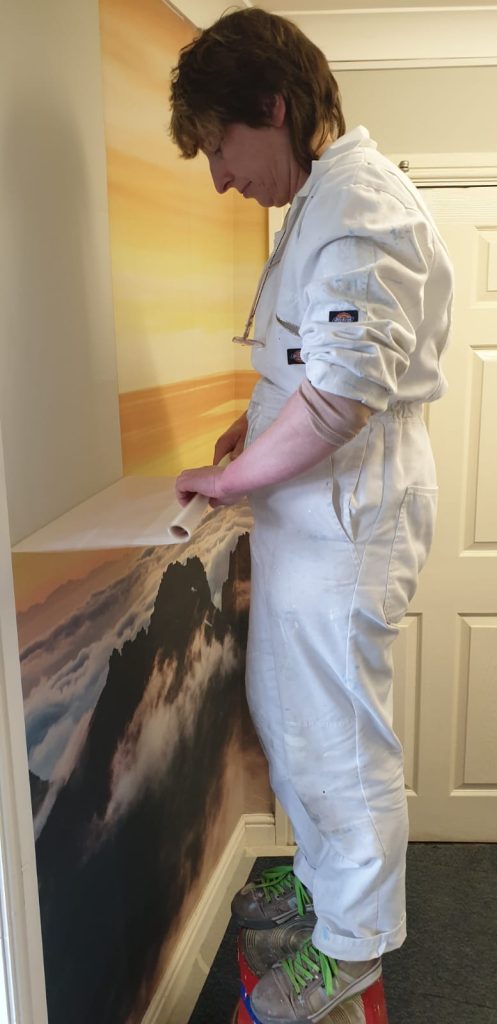
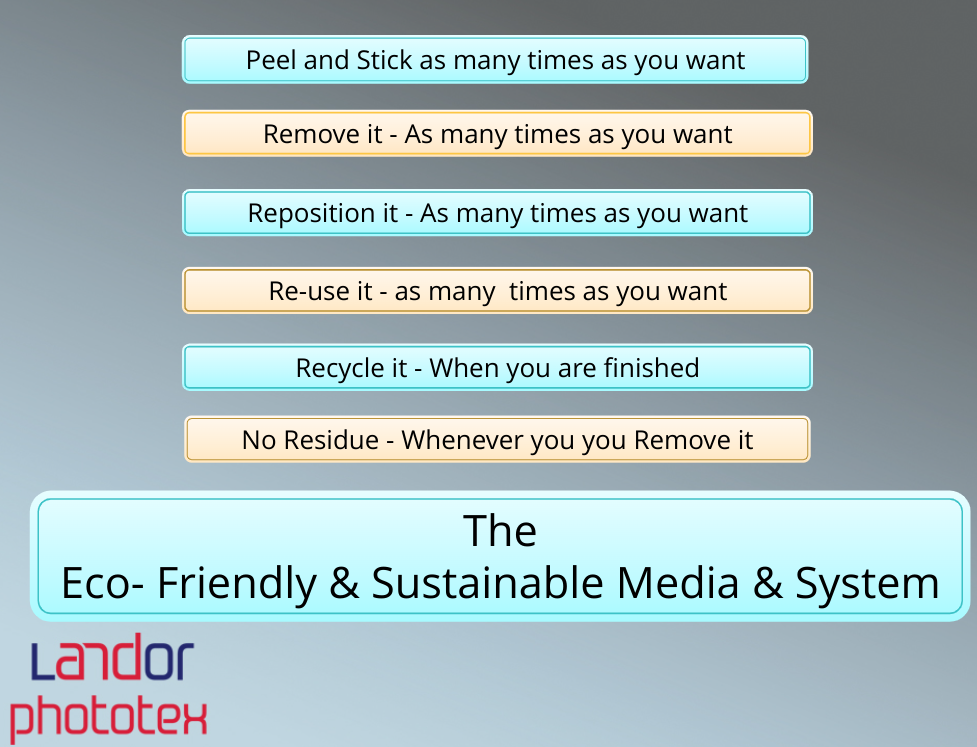
Unlike traditional PVC graphics, vinyl, or adhesive films that damage paintwork, plaster, and substrates, Phototex leaves no residue, causes no damage, and protects rather than harms any surface for the lifetime of use. It removes effortlessly — Just peel it! – even years later — without lifting historic surfaces or compromising fragile plasters, stone, or wood. That alone makes it an invaluable material for Grade I and II-listed buildings.
Phototex is fully repositionable, removable, and reusable, making it ideal for temporary or long-term exhibitions, signage, storytelling, interpretation, and visual branding inside sensitive heritage environments , and decoration— without a single screw, nail, or drill.
Protective Barrier for Walls, Ceilings, and Even Floors
Phototex does more than decorate — it defends. Acting as a temporary or long-term barrier, Phototex shields walls and substrates from moisture, dirt, paint, and abrasions. Its breathable, woven fabric structure conforms to irregular surfaces and allows surfaces to remain protected beneath.
Whether it’s a conservation-grade ceiling needing sensitive enhancement or a decorative floor graphic in a museum pathway, Phototex stays put — without curling, cracking, or lifting — and yet it can be removed cleanly with zero surface trauma.
A Perfect Fit for Digital Imaging and Storytelling in Heritage Spaces
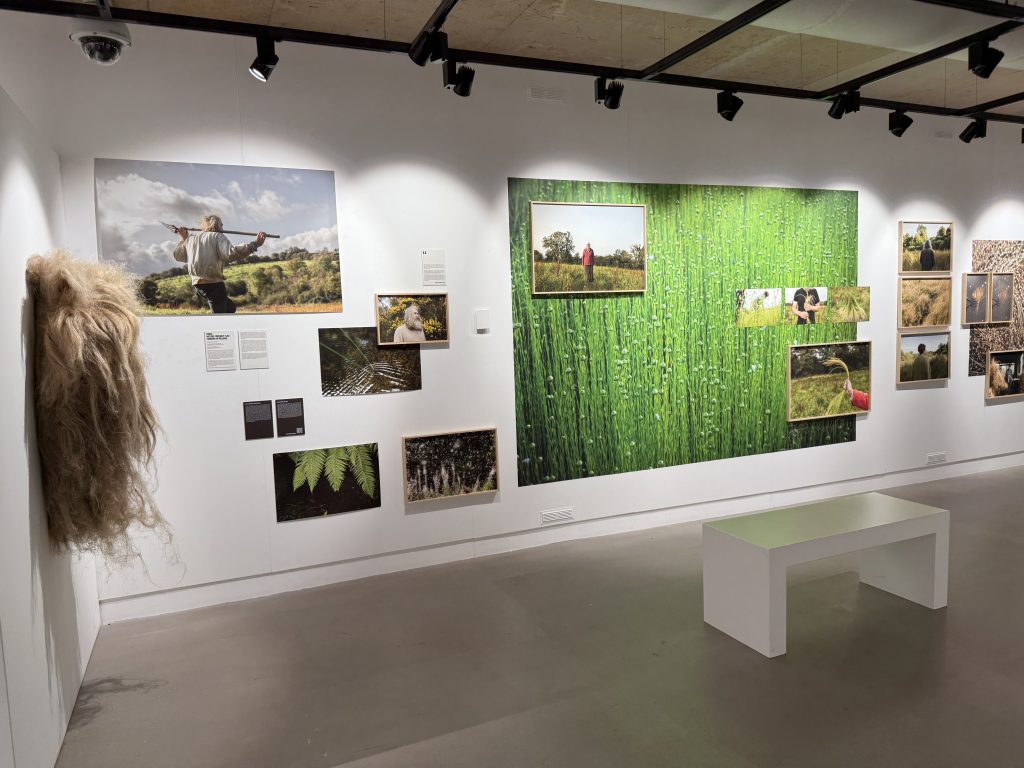
Phototex is built for high-definition digital printing, making it a perfect canvas for interpretive graphics, archival images, restoration visuals, and immersive storytelling.
Whether installed in a National Trust manor or a Historic England exhibition space, it enables:
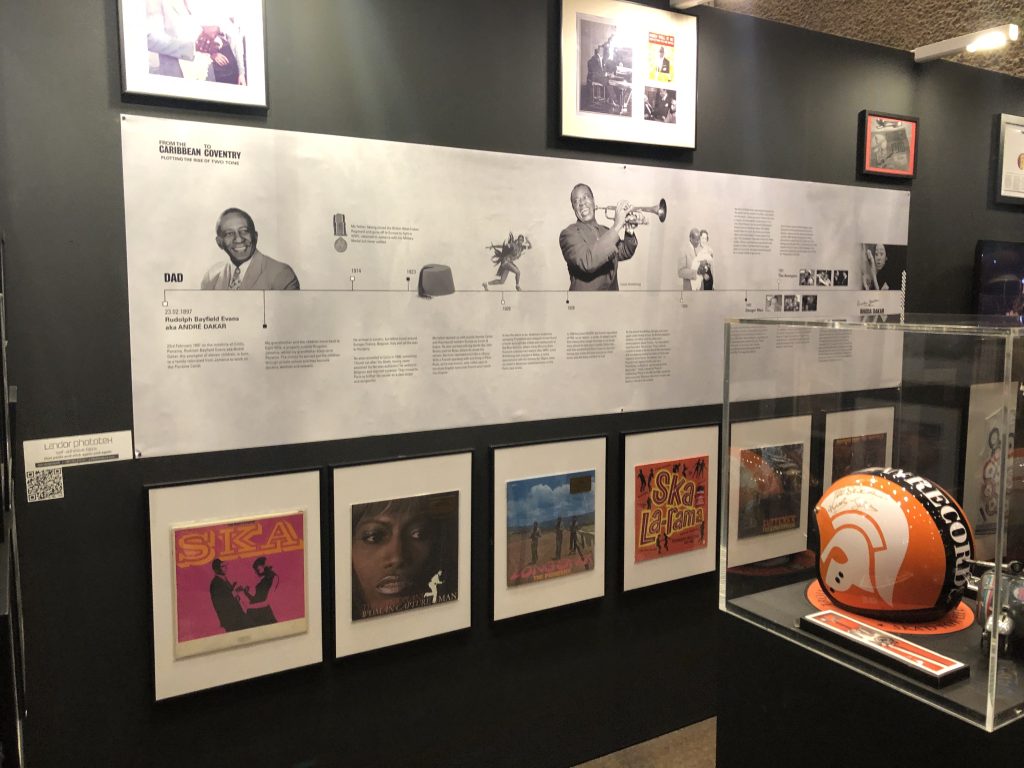
Architectural storytelling without damaging architecture
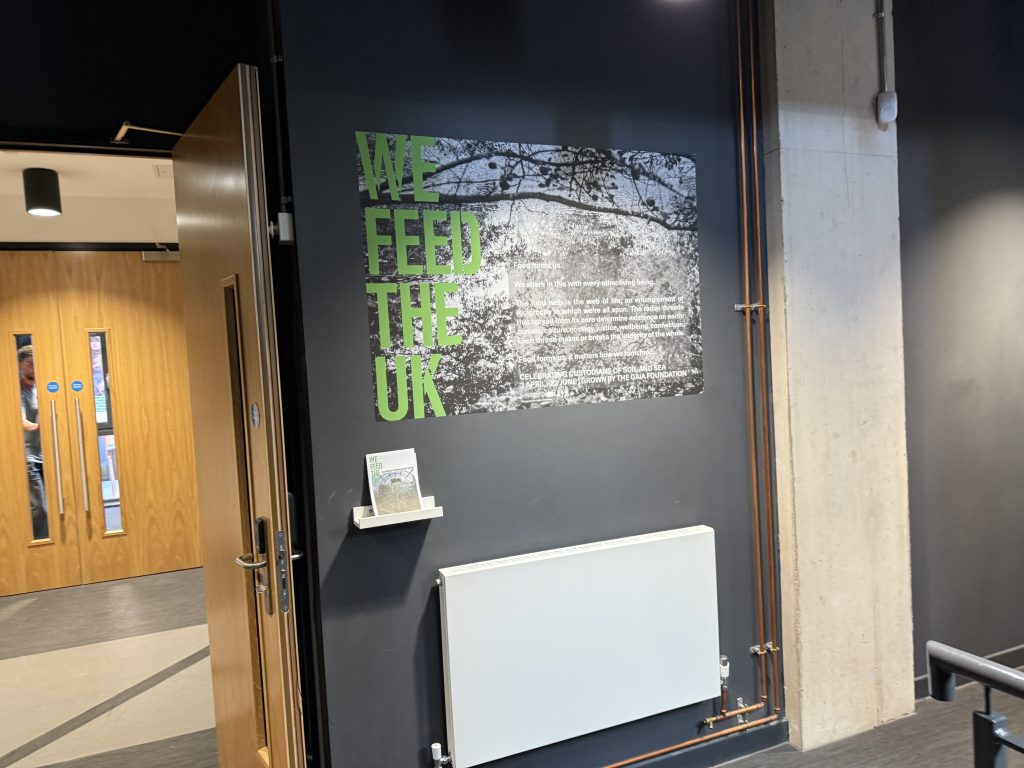
Wayfinding and signage without compromise
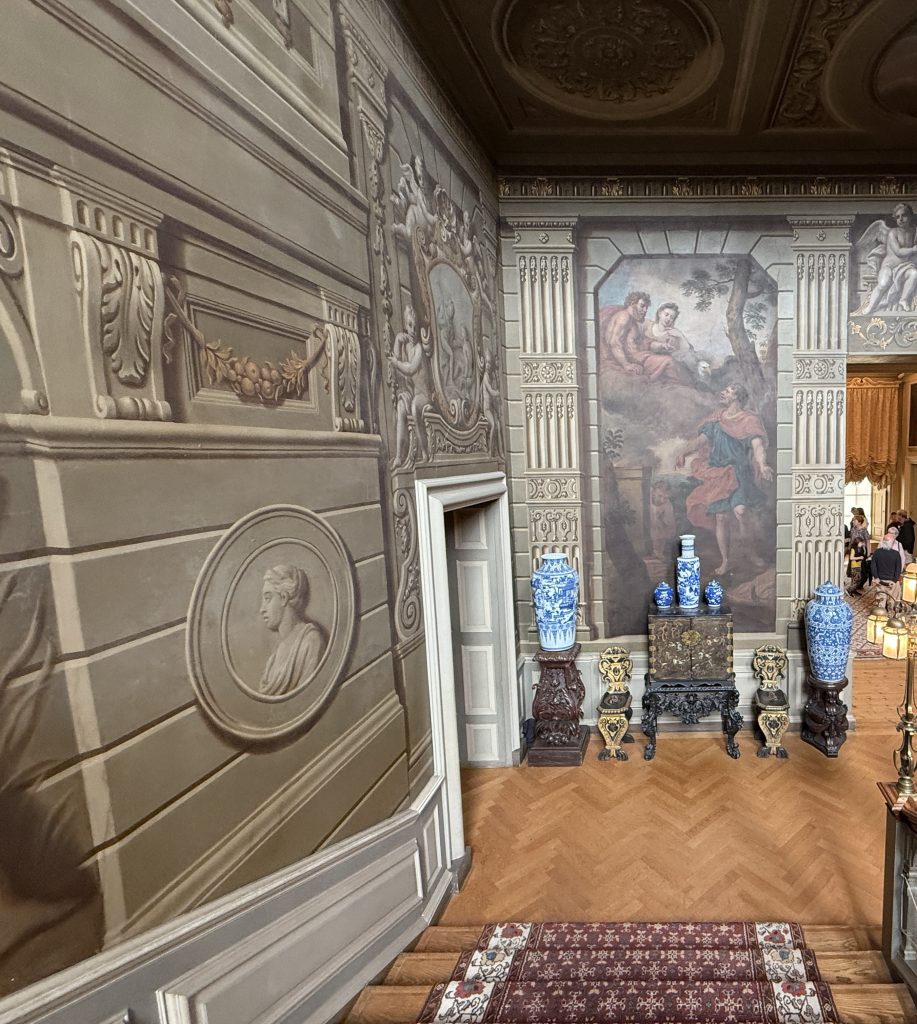
Reproduction of historic artwork and frescoes directly on walls
Museum-style displays in Grade I-listed buildings without permanent change
Say Goodbye to PVC and Plastic-Based Displays
The conservation sector is under increasing pressure to reduce its environmental footprint. Traditional materials such as vinyls, foamboards, plastic-based wallpapers, and rigid graphics contribute to landfill, off-gas toxins, and often require destructive installation methods.
Phototex is different.
PVC-free
Recyclable fabric base
Water-based adhesive
No heat guns, no solvent adhesives, no damage
For forward-thinking conservation and museum leaders, this is more than a visual solution — it’s a strategic shift away from plastics toward sustainable, future-proof visual communication.
.
For Historic England, National Trust, English Heritage and More
Phototex offers practical, responsible solutions for:
Interpretive displays in protected buildings
Temporary branding during restorations or events
Repurposing failing structures with visual enhancements
Protective overlays during construction or repairs
Decorative interiors for heritage hotels, stately homes, and historic venues
It’s also perfect for listed interiors where conventional signage or decoration is not permitted. And because Phototex is repositionable, it allows for rotation of exhibits or graphics without material waste or reinstallation costs.
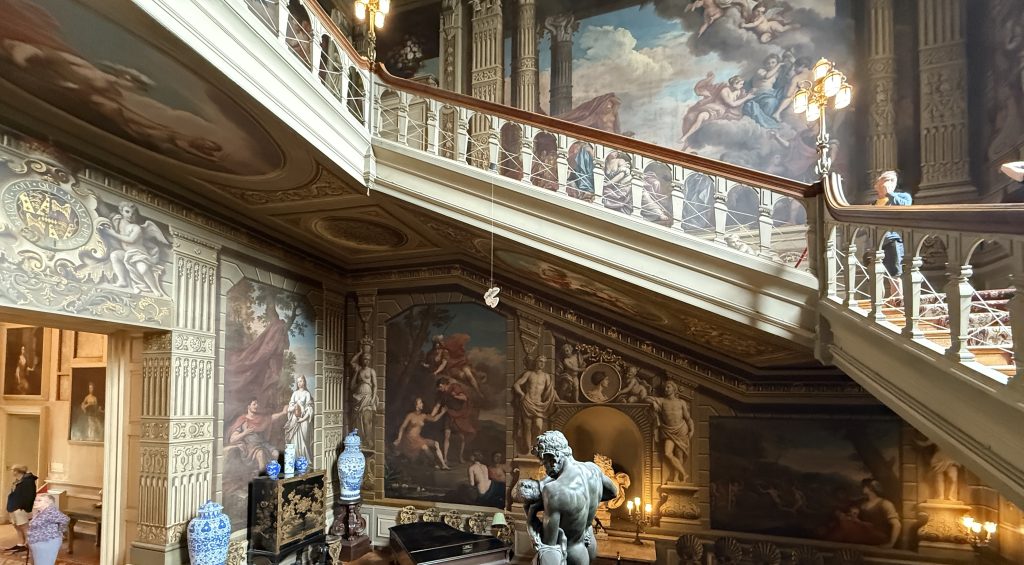
Protect & Preserve your Walls & Your Surfaces
Restore your surfaces: Residue and Damage Free Every time
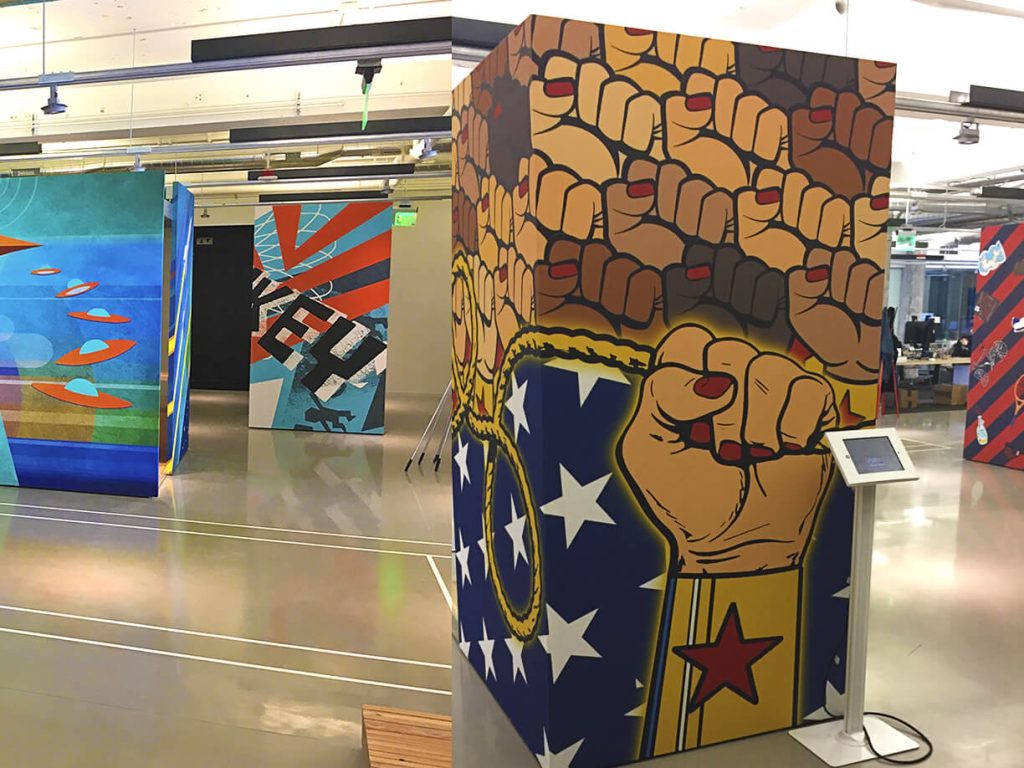
From Restoration to Reinvention
Where walls are failing or finishes are flaking, Phototex can not only protect — it can revive spaces without harm. Failing plaster walls can be visually reconstructed using printed surface textures, illustrations, or faux architectural finishes. High-resolution scans of artwork, frescoes, or wallpapers can be reproduced directly onto Phototex for visual restoration without irreversible intervention.
It’s a tool of conservation-led creativity.
Landor Coatings have the added scope of additional protection, preserves and extends the life of the prints.
Key Benefits for the Conservation Sector
✔ Damage-Free Application & Removal
✔ Digitally Printable – Supports High-Quality Imaging
✔ Acts as a Protective Barrier
✔ Ideal for Temporary or Long-Term Installations
✔ Zero Residue – Preserves Fragile Surfaces
✔ PVC-Free and Recyclable
✔ Fully Repositionable & Reusable
✔ No Tools, No Damage, No Compromise
Final Thought: Conservation is No Place for Compromise
As heritage professionals, we are stewards of the past and custodians of its future. Phototex is the material that allows you to display, interpret, protect, and tell stories — without compromise, waste, or damage. Whether you’re restoring a Georgian mansion, curating a castle exhibition, or reimagining a medieval chapel for modern engagement, Phototex empowers your creativity while respecting the fragility of our built history.
It’s time to say goodbye to plastic graphics — and hello to sustainable storytelling.
Request Samples or Conservation Case Studies
We’re working with leading historic institutions to redefine how interiors and heritage buildings embrace modern visuals. Contact us today to explore how Phototex can fit your conservation needs.
👉 Sustainable. Repositionable. Respectful.
👉 Phototex — the intelligent surface solution for historic buildings.
 French
 English