5 Questions That Reveal Why Phototex Is Changing Wall Graphics Forever
How did Phototex begin, and what problem was it created to solve?
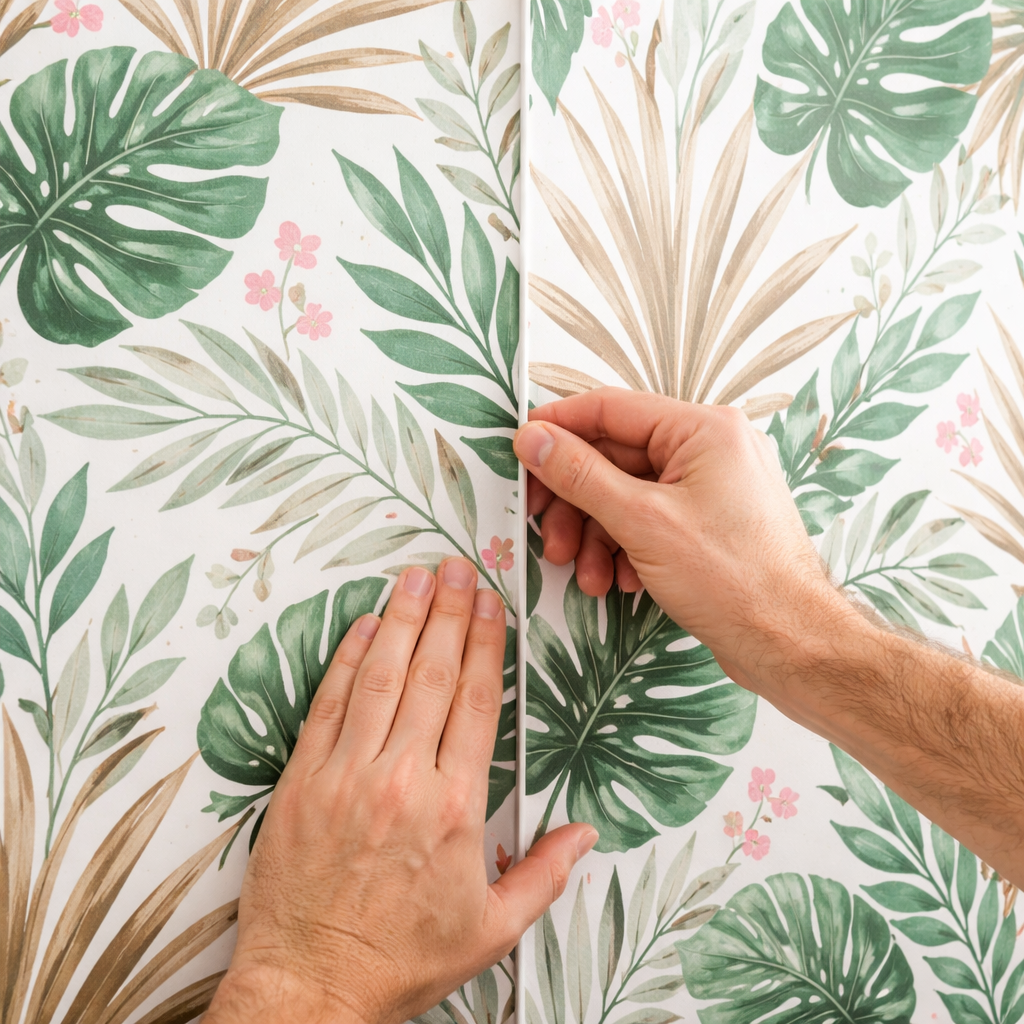
Phototex was developed to address the limitations of traditional wall graphics—particularly difficult installation, surface damage, and lack of reusability. From wall preparation to wall removal, as well as the difficulties with enagaging specialists or expert installers to get the job done well and to last.
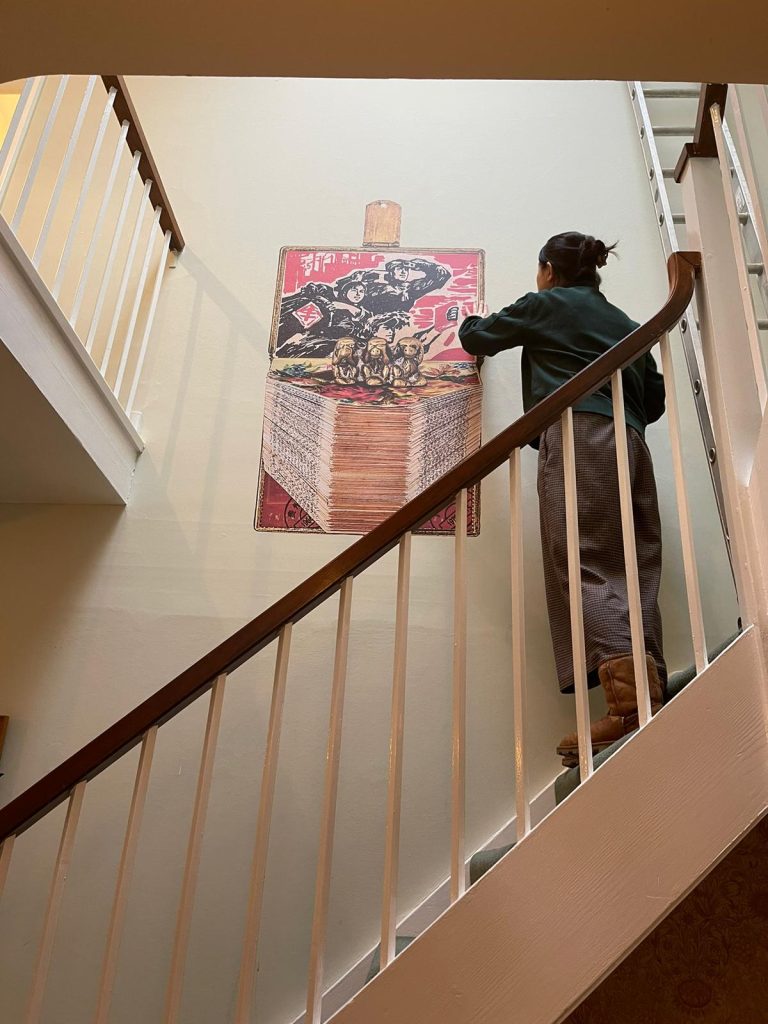
The goal was to create a self-adhesive fabric that is easy to apply, remove, and reposition without damaging walls, opening up new possibilities for graphics and décor.
Not just a self adhesive but an aesthetic and warm, and stable and durable long lasting woven fabric, that out performs the minimal limits of other films such as PVC vinyl.
2. What makes Phototex different from traditional wallcoverings and vinyl graphics?
Unlike conventional materials, Phototex combines fabric flexibility with a unique adhesive system, allowing it to conform to surfaces, work on modern low-VOC paints, and be removed cleanly. This positions it as a more user-friendly and versatile alternative to vinyl and paste-based wallpapers.
3. What are the biggest challenges in the wide-format print industry that Phototex helps solve?
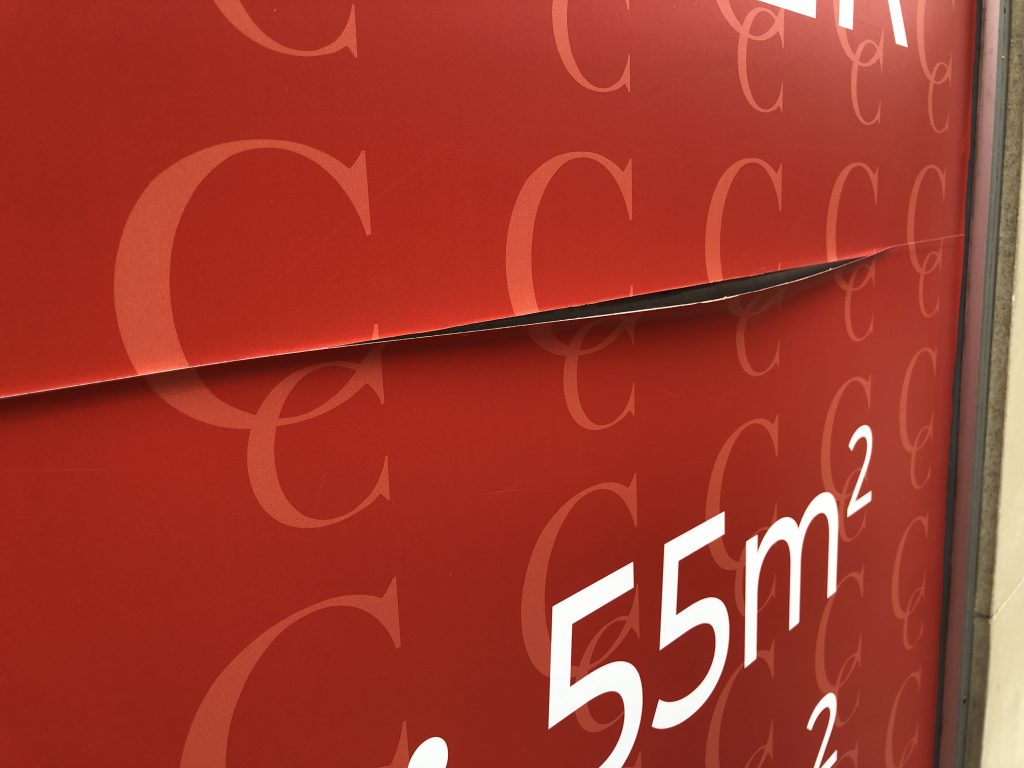
Print providers often struggle with installation complexity, surface compatibility, and customer dissatisfaction due to damage or difficult removal. Phototex addresses these issues by simplifying installation and reducing risk, making it easier for print shops to deliver consistent results and expand into new markets.
4. Where is Phototex seeing the most growth and application today?
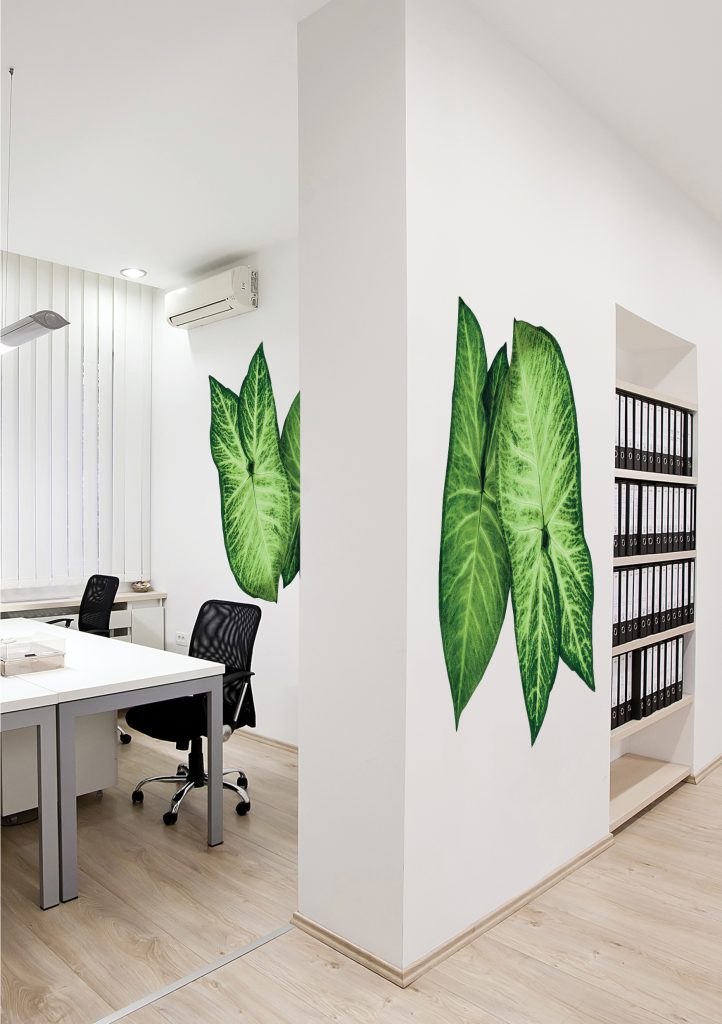
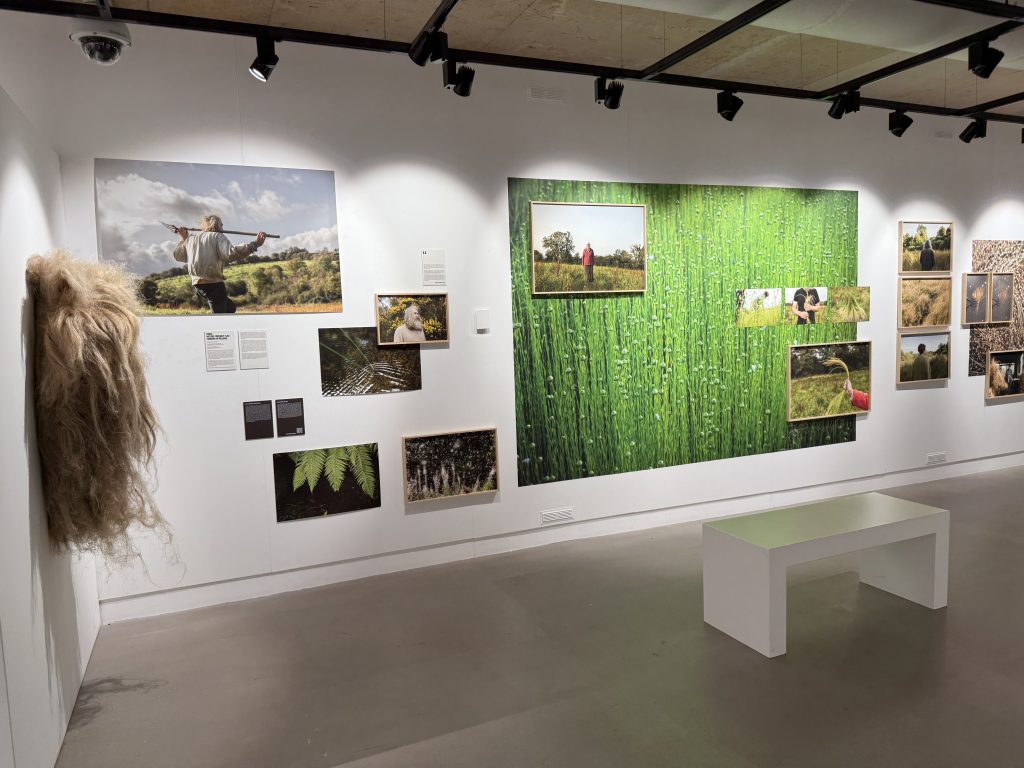
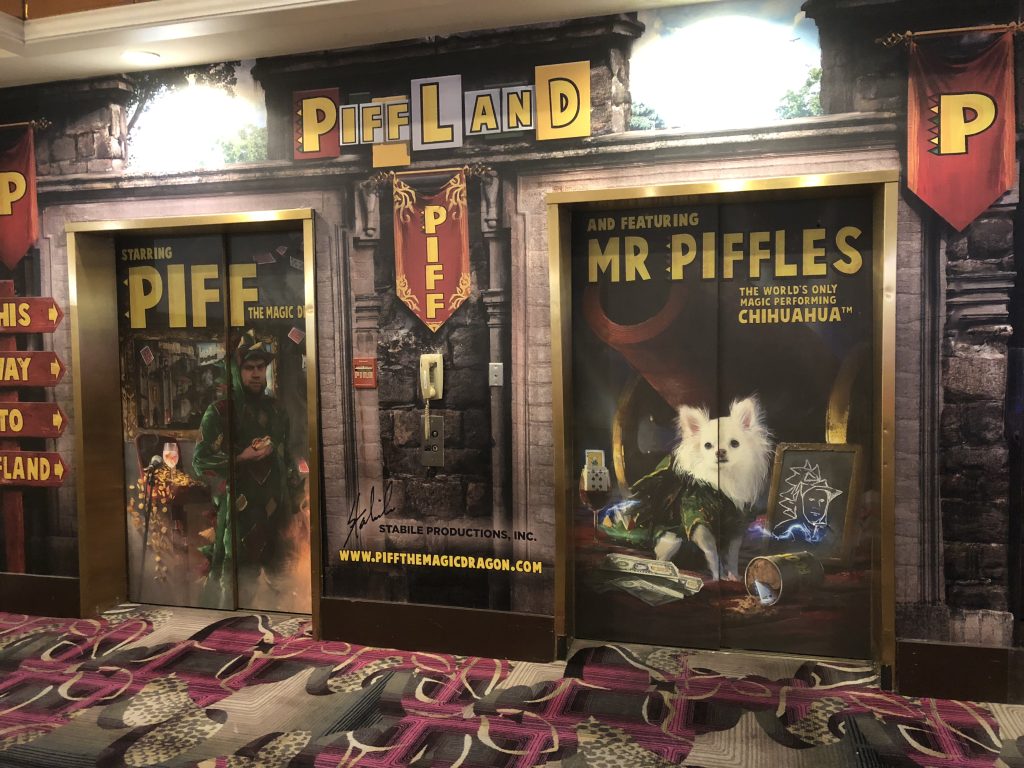
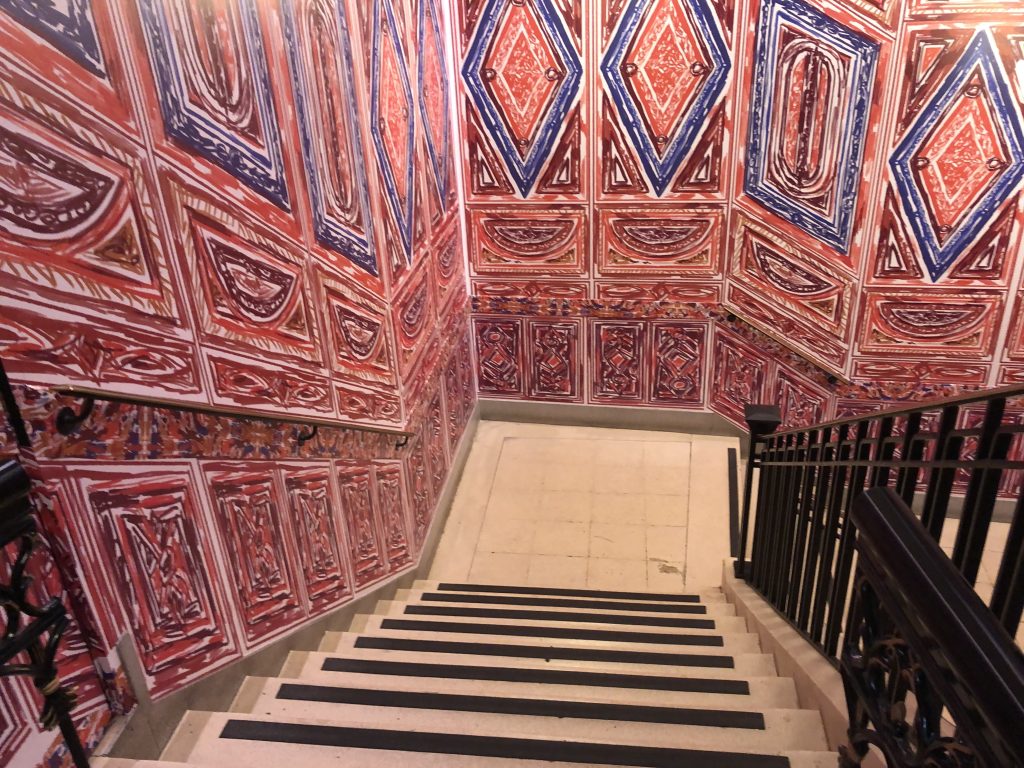
Phototex is widely used in retail graphics, events, exhibitions, interior décor, museums, and promotional campaigns, with increasing adoption in fine art and photography displays. Growth is driven by demand for short-term, changeable, and reusable visual communication solutions.
5. What advice would you give to businesses considering Phototex or similar materials?
Focus on ease of use, customer experience, and long-term value rather than just material cost. Products that reduce labour, eliminate damage, and allow reuse can significantly improve profitability and customer satisfaction—especially in fast-changing environments like retail and events.

 French
 English