How to Avoid the Costly Mistakes of Using Vinyl for Wallcoverings,

How to Avoid the Costly Mistakes of Using Vinyl for Wallcoverings, Surfaces and Signage

For decades, self-adhesive vinyl has been treated as the default material for wall graphics, surface decoration, signage and short-term advertising. It is familiar, widely available, and often described as “good enough”.

From your imagination to reality

The Fundamental Problem with Vinyl:
The “Just OK” Adhesive!"

Vinyl adhesives are designed as a compromise. 

They must: 

  • Stick well enough to stay in place 
  • But not so well that they are challenging, damaging and time consuming to remove 

This balancing act leads to what can best be described as a “just OK” adhesive. 

In constantly controlled conditions, (an additional energy cost) vinyl may perform adequately. In real buildings—with temperature changes, airflow, heating cycles, humidity, and varied wall finishes—this compromise quickly breaks down. 

The Pitfalls and risks of PVC Vinyl

Vinyl is a plastic film. Plastics react to:

  • Temperature fluctuations
  • Indoor heating and cooling cycles
  • Sunlight (even indirect daylight)
  • Humidity change

What This Causes:

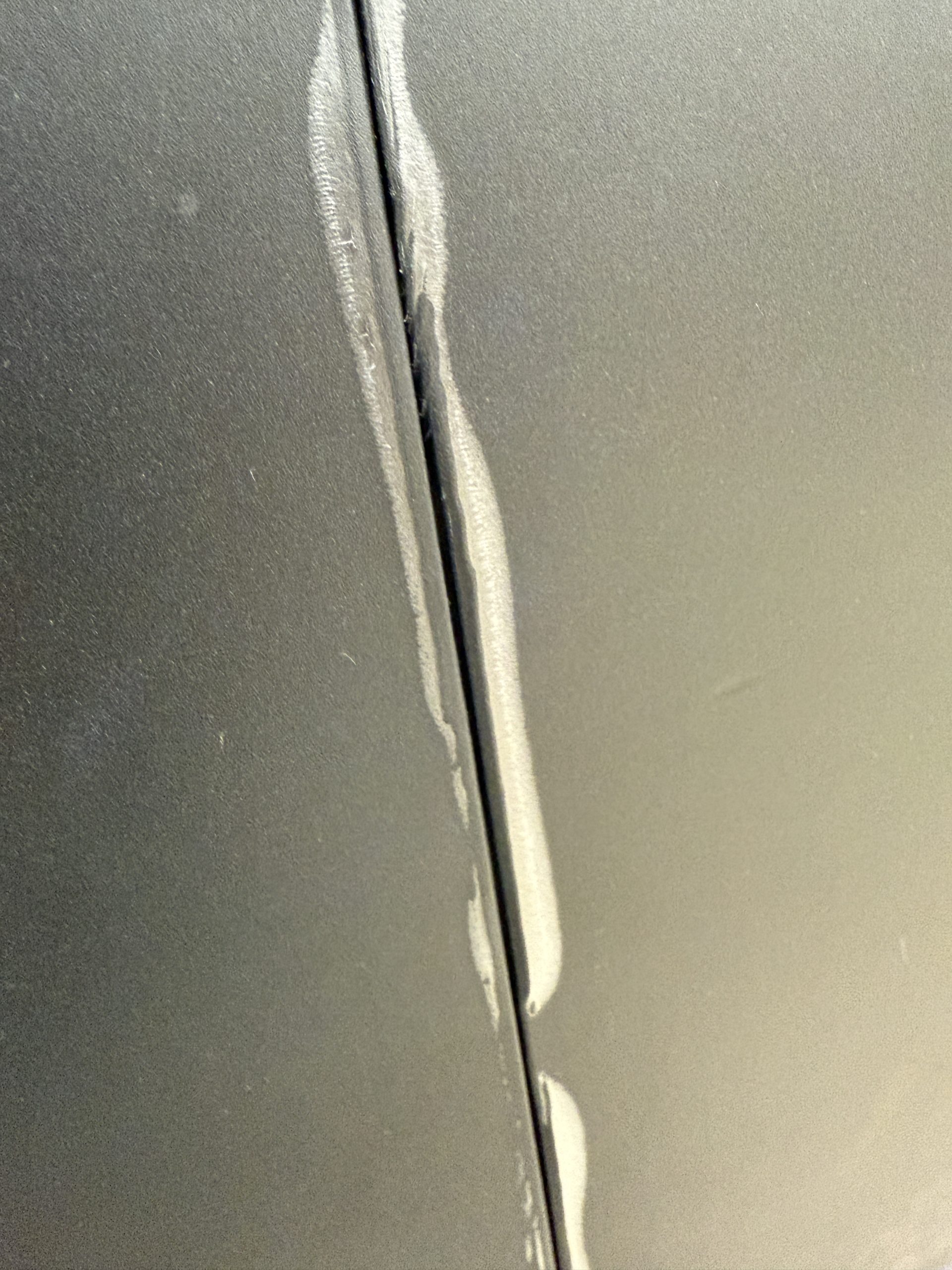
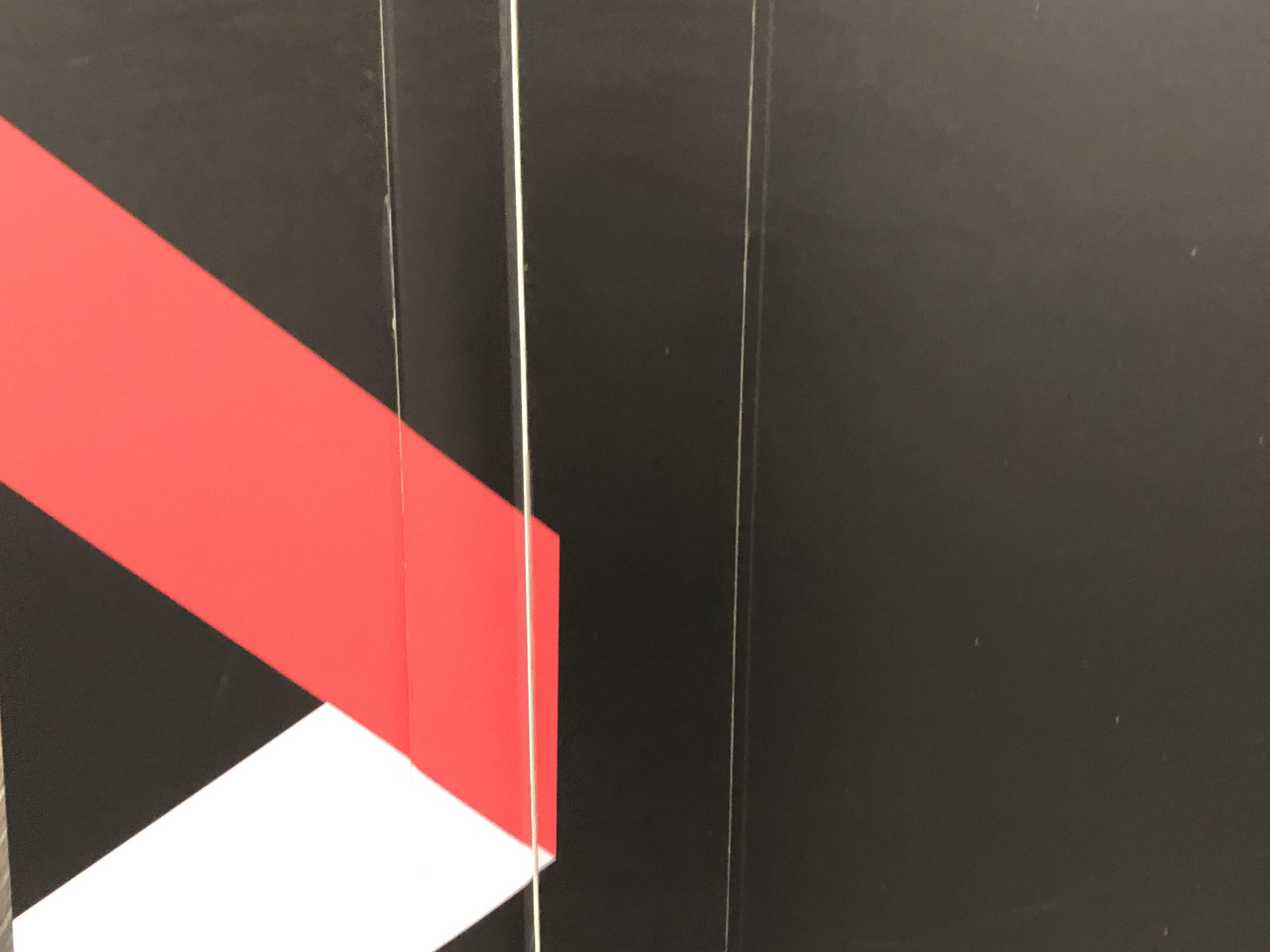
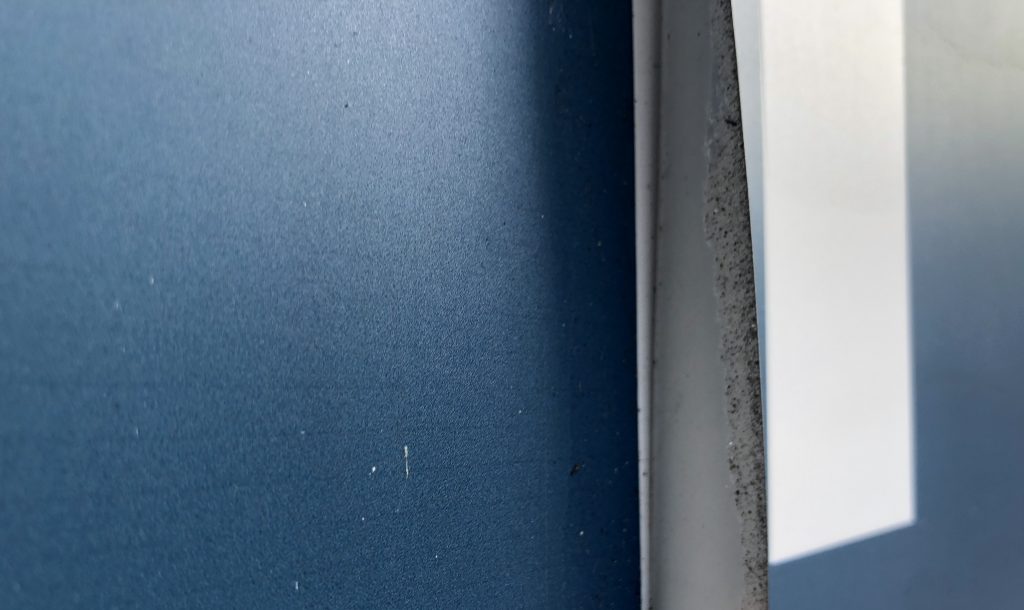
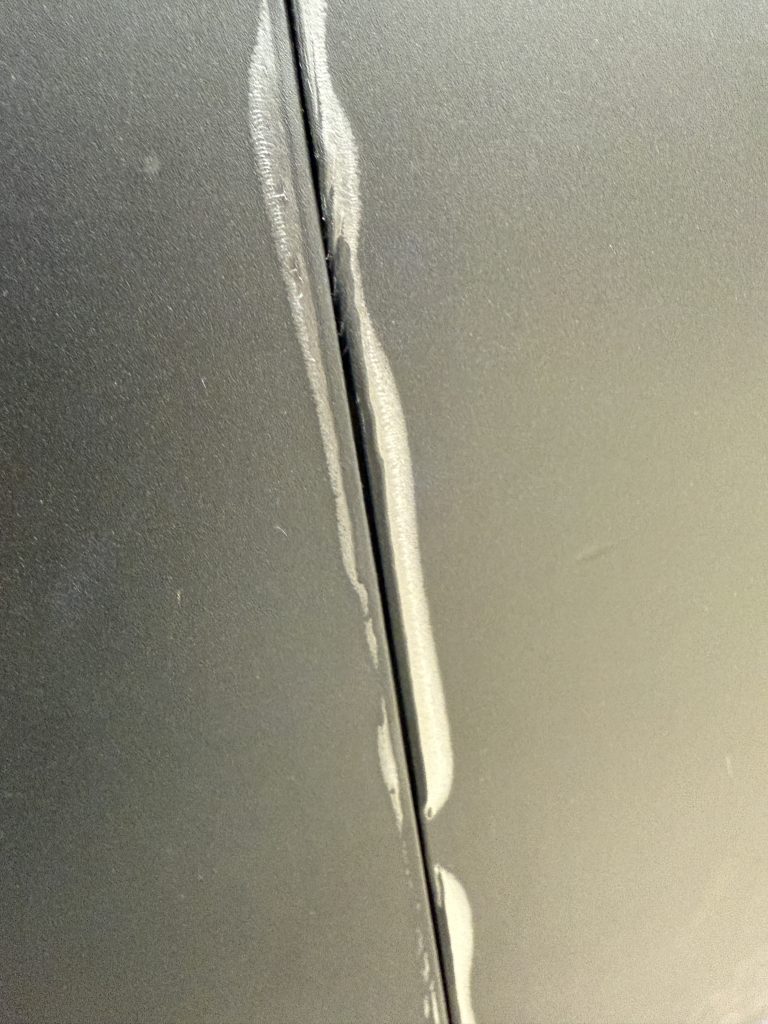
Gaps forming between panels

Visible seams that were once perfectly aligned

A cheap, unfinished appearance

Once vinyl shrinks, there is no fix—only replacement.

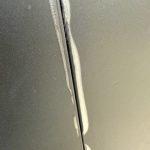
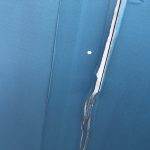
Edge Curl: The Beginning of Failure 

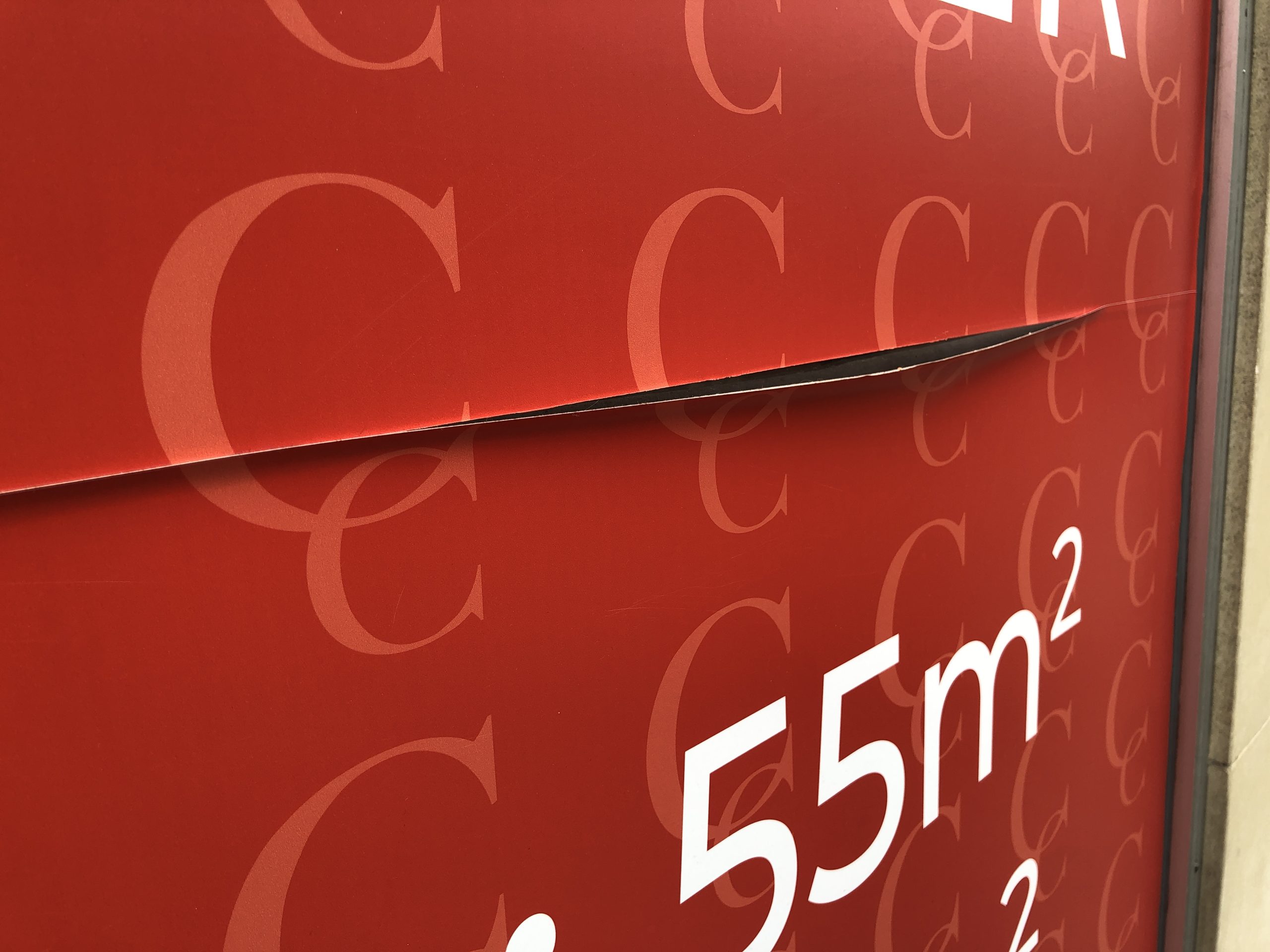
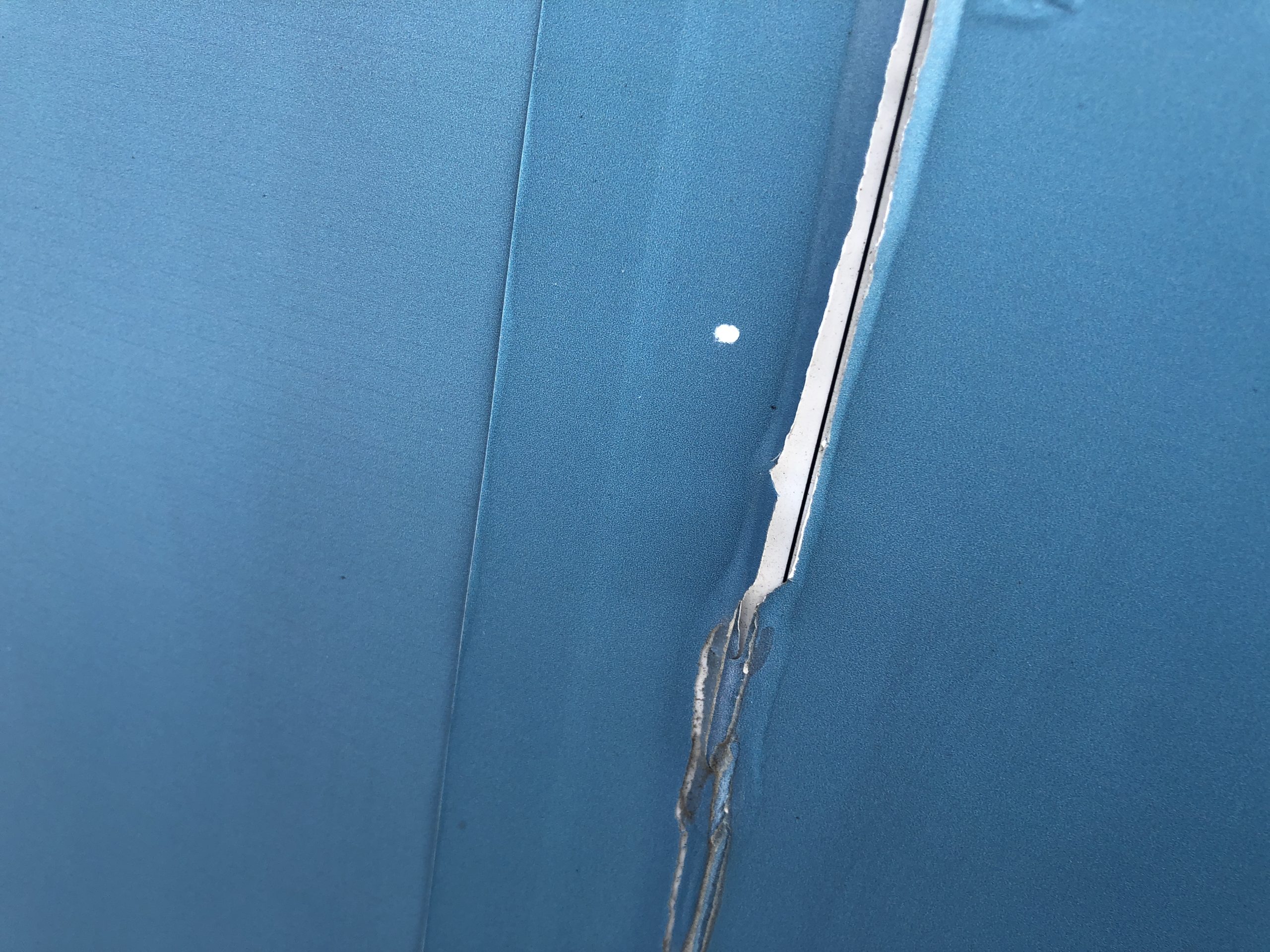
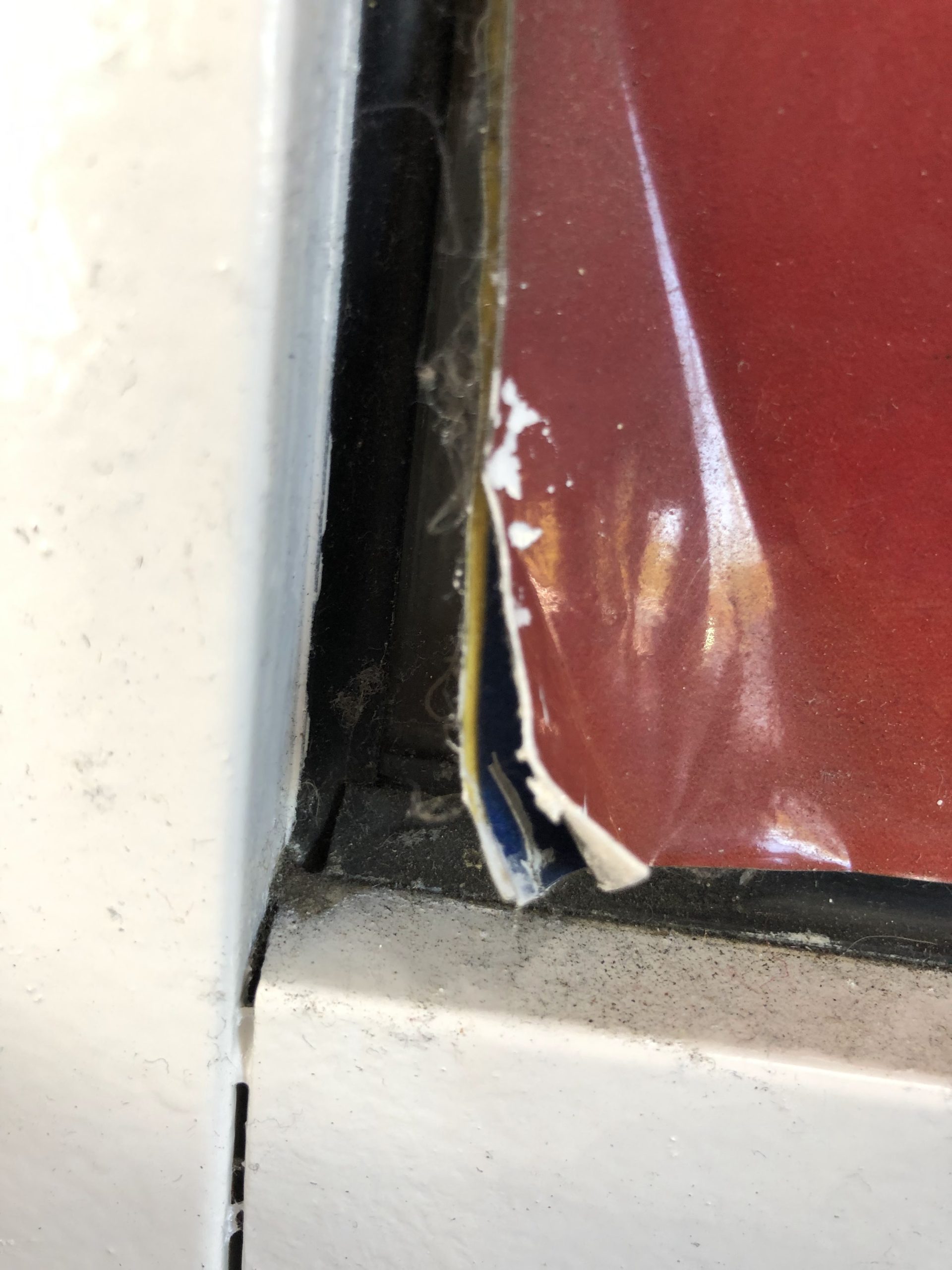
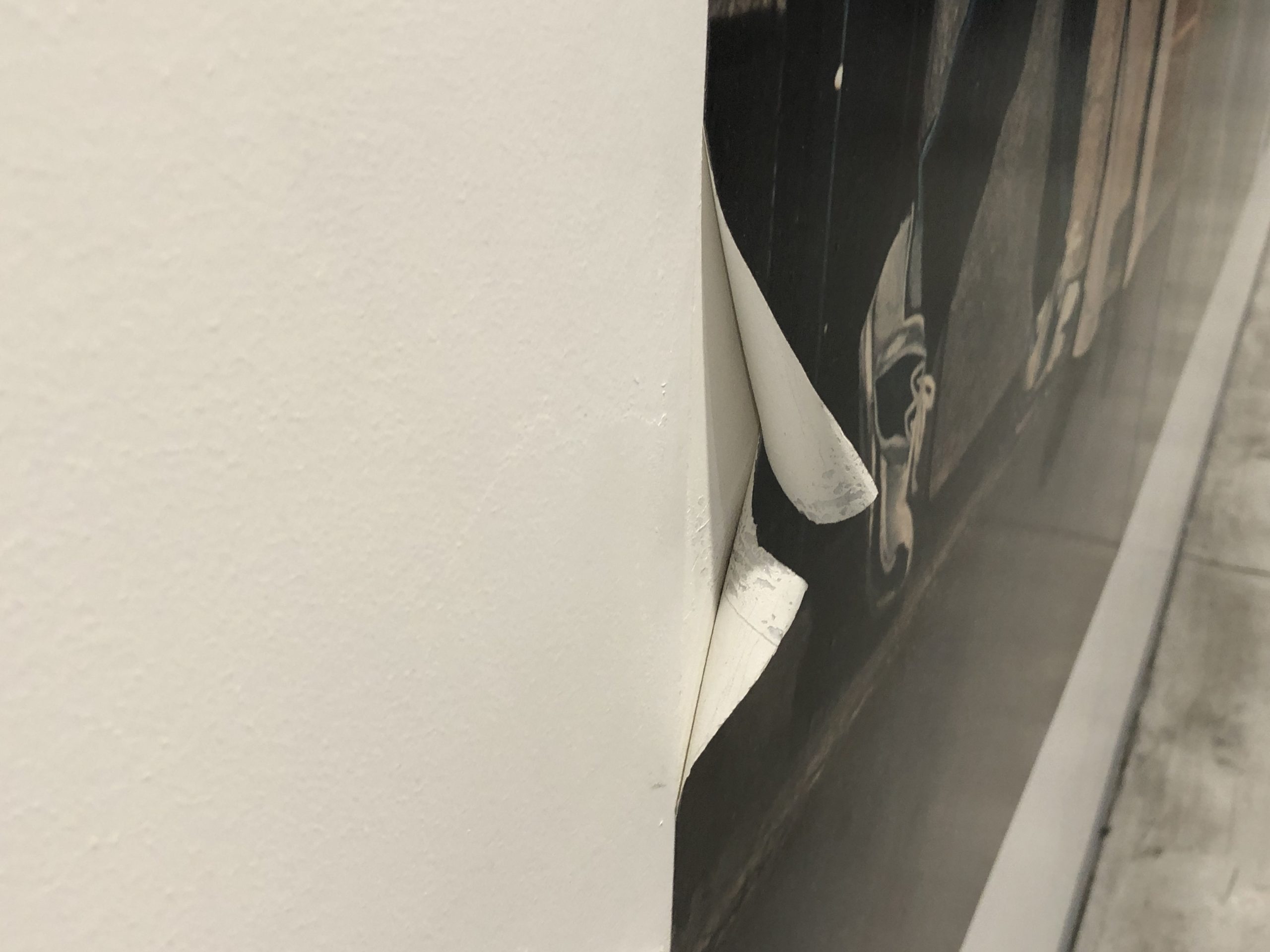
 Edge curl is one of the most common complaints with vinyl wallcoverings and signage. 

As vinyl attempts to return to its original shape: 

  • Edges lift first 
  • Corners curl 
  • Dust collects underneath 
  • Adhesion progressively fails 

Once an edge lifts, the entire installation is compromised. In public spaces, this quickly becomes a maintenance issue, a safety concern, and a visual failure. 


Delamination and Adhesive Failure 


Vinyl graphics are typically built in layers: 

  • Vinyl film 
  • Adhesive 
  • Ink layer 
  • Optional laminate 

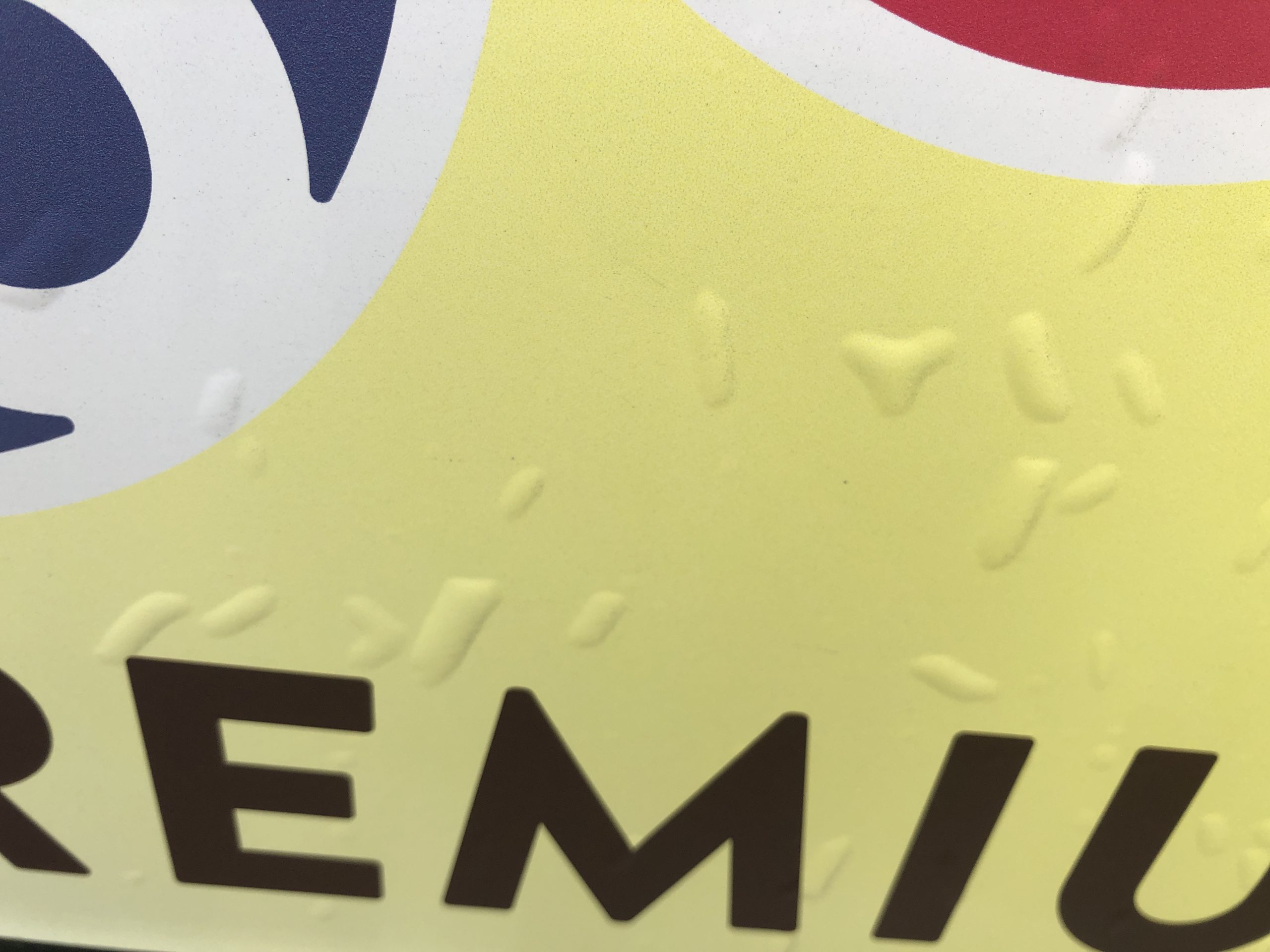
Over time, these layers can begin to separate due to: 

  • Stress from shrinkage 
  • Temperature variation 
  • Mechanical tension on the wall 

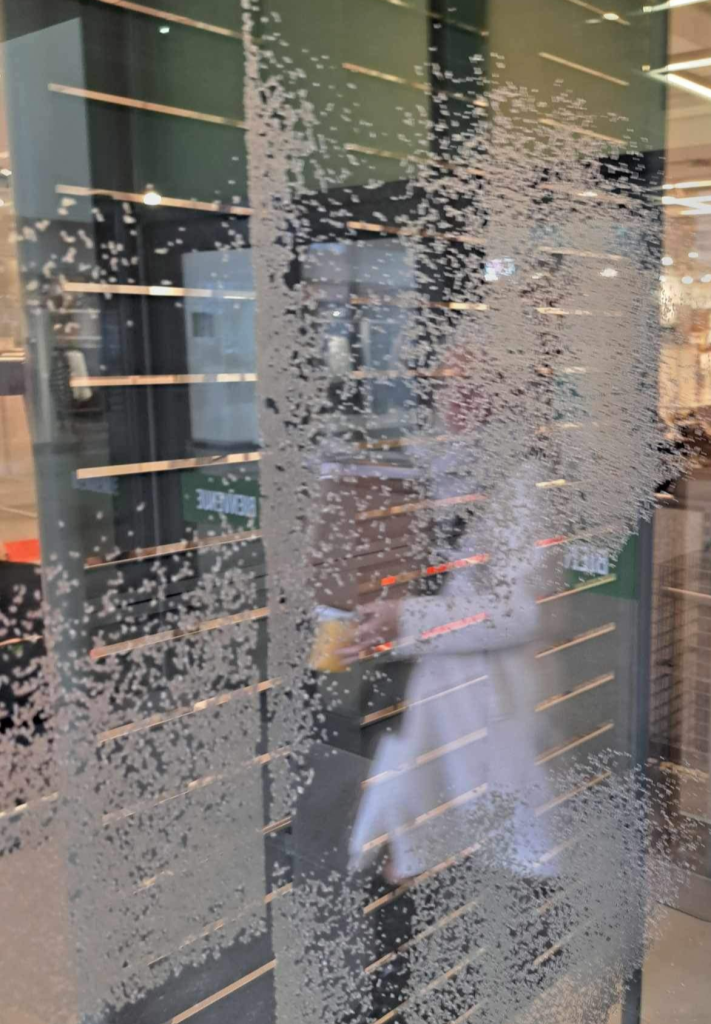
This leads to delamination, bubbling, cracking, and a visibly degraded surface—often long before the graphic was expected to be replaced. 

The Biggest Hidden Cost: Wall and Surface Damage 


Perhaps the most expensive mistake of using vinyl is not the material itself—it’s what happens when you try to remove it. 

Despite being sold as “removable”: 

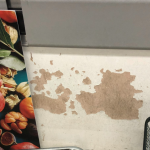
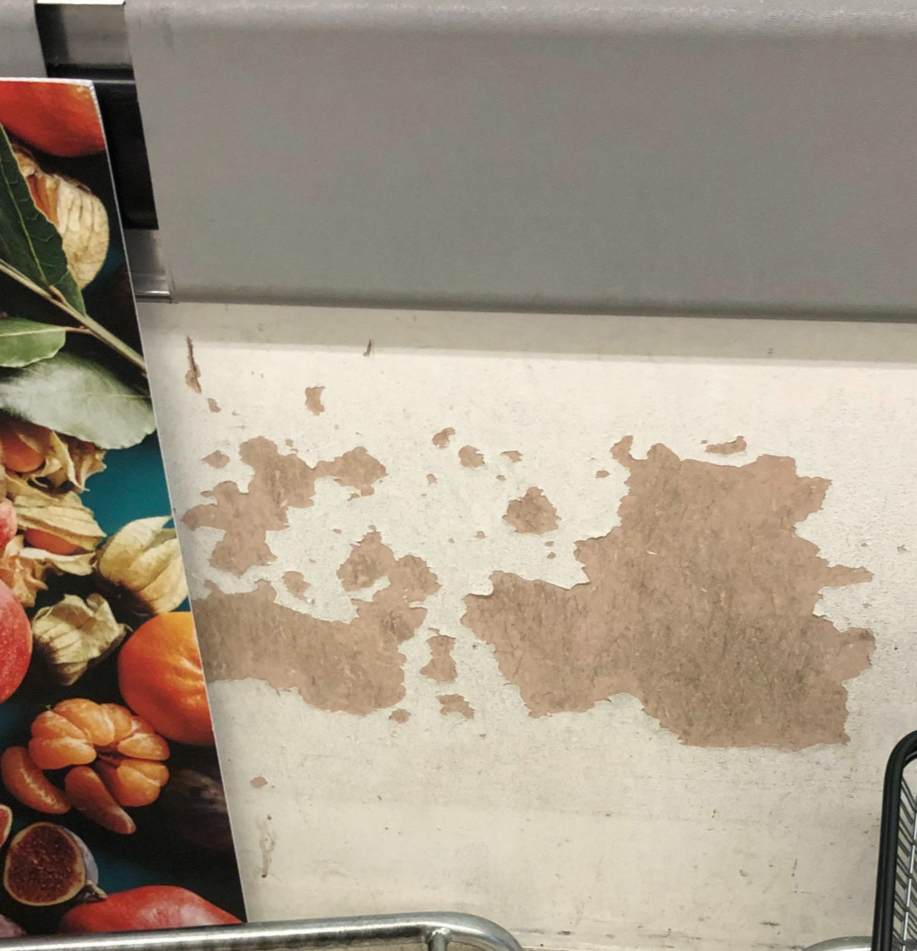
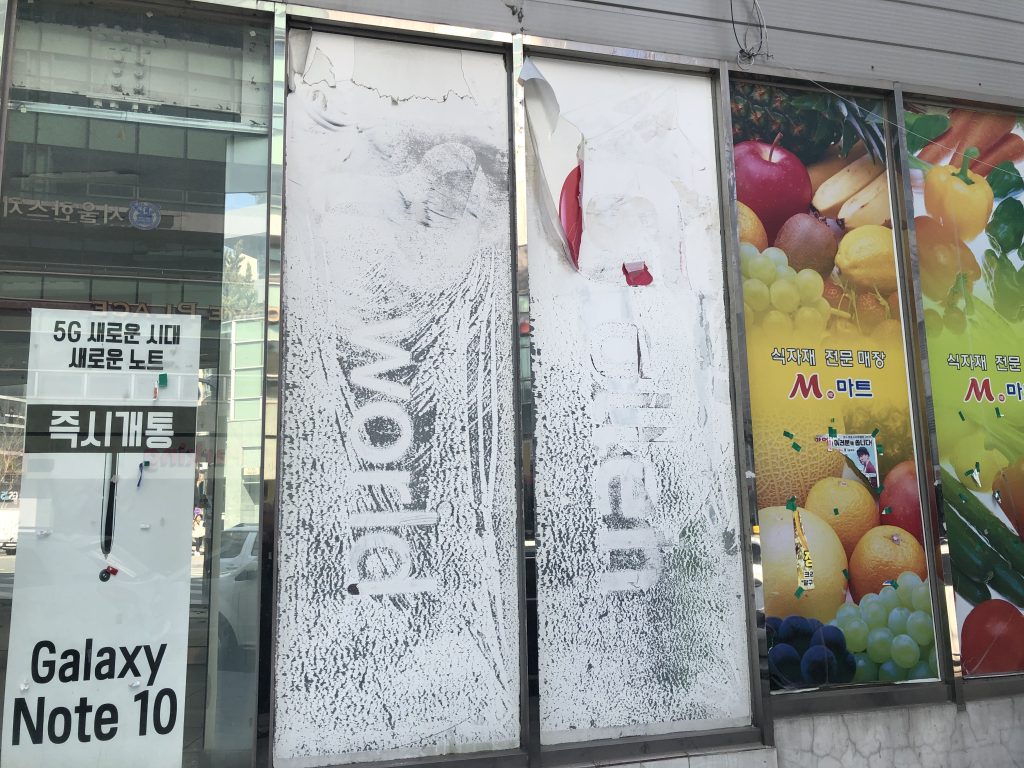
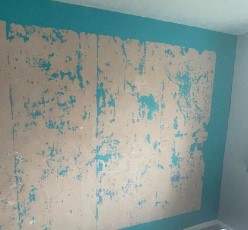
  • Vinyl often pulls paint from the wall 
  • It can tear plasterboard surfaces 
  • It leaves adhesive residue that must be chemically removed 
  • In many cases, it simply will not come off cleanly at all 
  •  


This is especially problematic in: 

  • Retail environments 
  • Offices 
  • Museums 
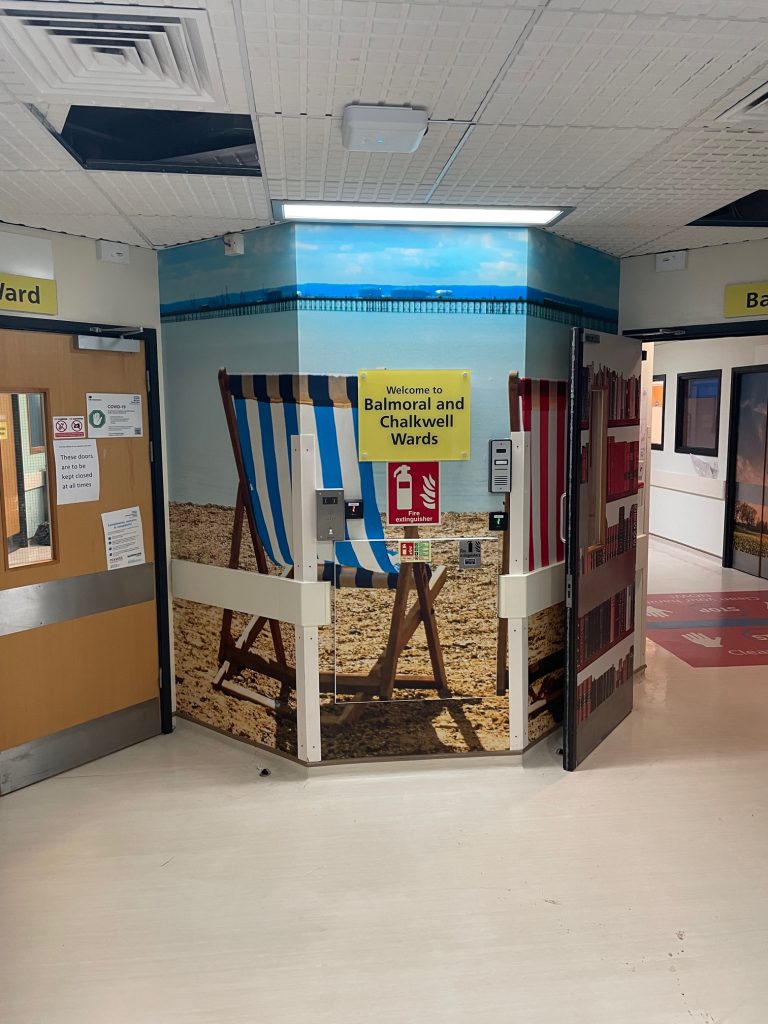
  • Healthcare settings 
  • Historic or sensitive buildings 


The result? 

  • Filling 
  • Sanding 
  • Repainting 
  • Downtime 
  • Disruption 
  • Labour costs that far exceed the price of the original graphic 

Why Vinyl Is a Poor Choice for Advertising and Changeable Messaging 


Advertising and branding are, by nature, Temporary and adaptable. 

Vinyl is not. 

Once installed: 

  • It cannot be repositioned – rarely
  • It cannot be reused 
  • Removal risks damage 
  • Replacement becomes waste  and time – labour costly

This makes vinyl fundamentally unsuited to modern campaigns where change, refresh, and reuse are essential. 
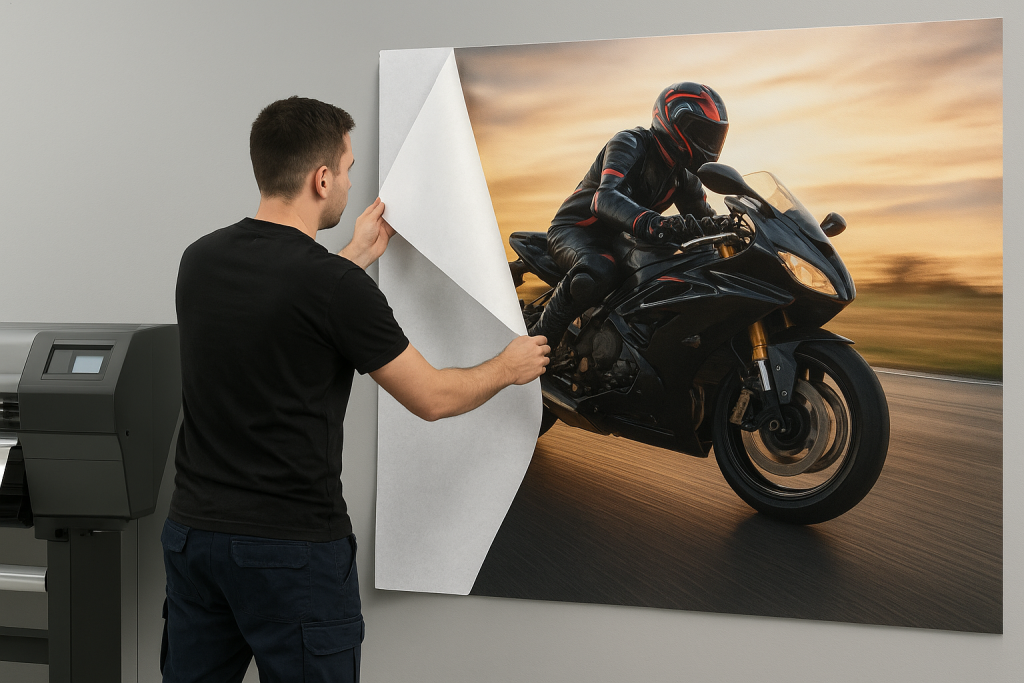
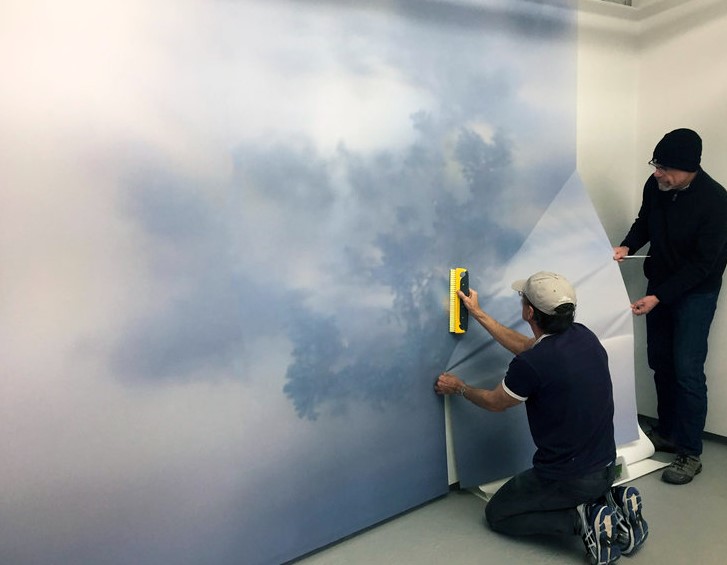
Welcome Phototex : Peel and Stick Repositionable - Removable -Re Useable Woven Fabric (Residue Free)

Phototex: Designed to Solve These Problems, Not Compromise Around Them 

Phototex is not a modified vinyl. It is a 

purpose-built woven polyester fabric 

engineered specifically for walls, surfaces, signage and decorative applications. 

A Stable Fabric, Not a Plastic Film 

Unlike vinyl, Phototex: 

  • Does not shrink or expand 
  • Does not curl at the edges 
  • Does not delaminate 
  • Remains dimensionally stable over time 

Panels stay aligned. Graphics stay sharp. Installations stay intact. 

A Patented Adhesive That Protects Surfaces 

Phototex’s patented adhesive is fundamentally different. 

It is: 

  • Strong enough to hold securely 
  • Gentle enough to remove cleanly 
  • Non-damaging to walls and surfaces 
  • Consistent over repeated use 

Phototex can be: 

  • Peeled off 
  • Repositioned 
  • Removed 
  • Reused 
  • And removed again 

All without tearing paint, damaging walls, or leaving residue. 

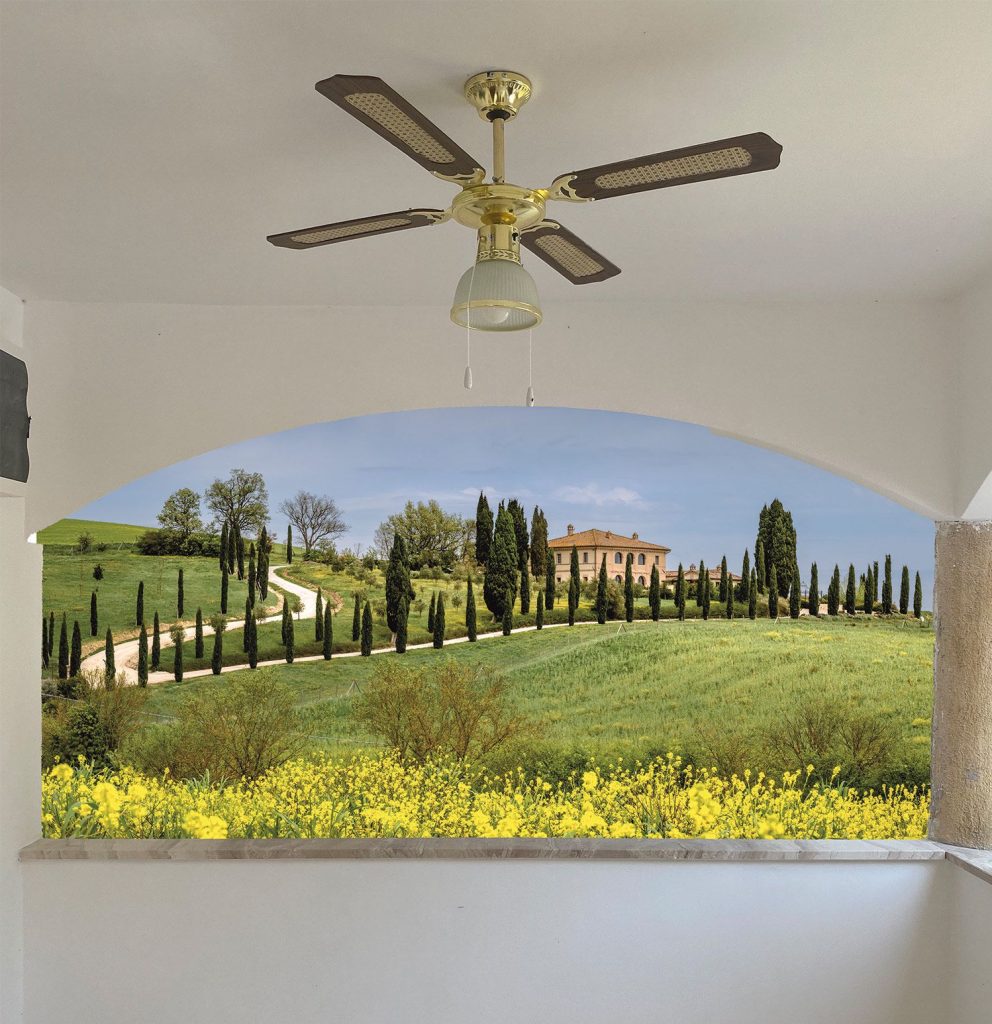
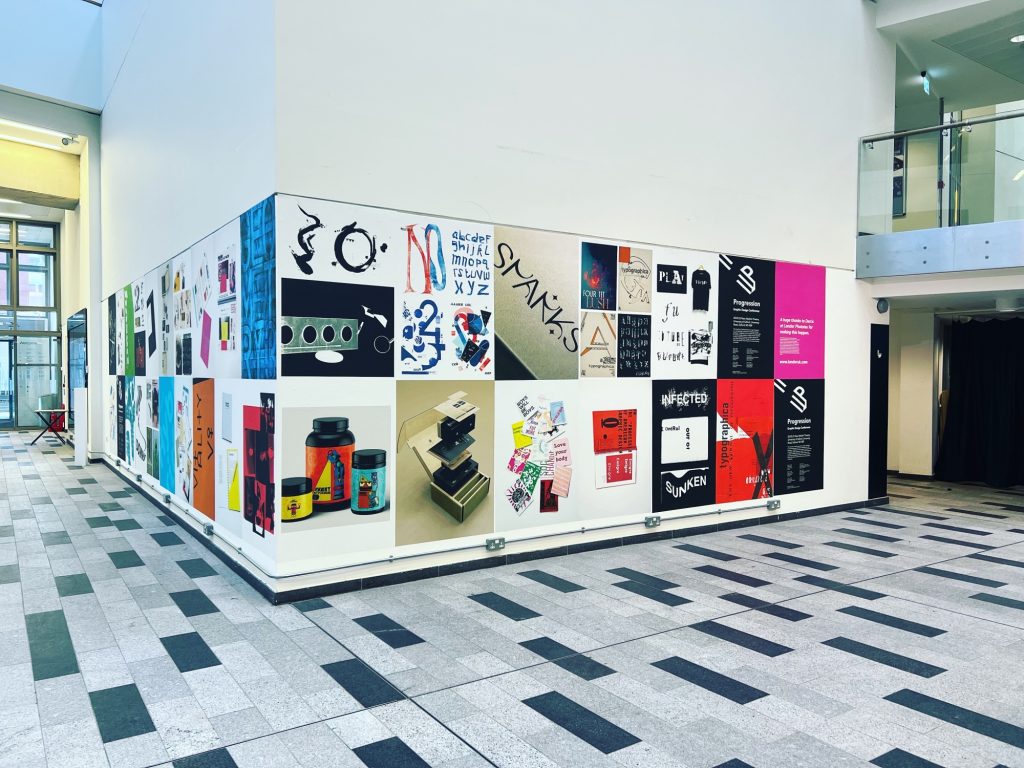
Aesthetic Superiority: Fabric Belongs on Walls 

Walls are architectural surfaces. Plastic films rarely look at home on them. 

Phototex’s woven fabric: 

  • Eliminates glare 
  • Feels warmer and more natural 
  • Looks intentional and premium 
  • Enhances both decorative and informational displays 

Whether used for: 

  • Interior decoration 
  • Branding 
  • Notices 
  • Exhibitions 
  • Retail graphics 

Phototex looks like it belongs there. 

The Real Time and Cost Savings 

When vinyl fails, the cost multiplies: 

  • Labour to remove 
  • Labour to repair 
  • Materials to repaint 
  • Downtime of the space 

Phototex eliminates these cycles entirely. 

Walls are preserved in their original condition, allowing: 

  • Constant change 
  • Rebranding 
  • Seasonal updates 
  • Campaign refreshes 

With up to 95% reduction in labour, repair, and disruption costs every time graphics are changed. 


Built for Modern, Sustainable Visual Communication 

At the end of its life, Phototex can be: 

  • Removed cleanly 
  • Reused where appropriate 
  • Recycled when fully finished 

This makes it a far more responsible choice than single-use vinyl films that end in landfill—often still stuck to chunks of plaster or paint. 

Talk to us or to get your next project started

If you would like more information about our product range,  Application support, or to request a free sample Pack, please fill in the form. 

Tel: +44 1252 624 411

info@landoruk.com

en France: Appelez nous en directe :  01. 87.65.09.80

fr_FRFrench