
Custom Printed PVC Vinyl Banners & Signs
PVC Vinyl is the most popular material for banners and signs, making it an ideal choice for both indoor and outdoor applications. It is naturally waterproof, fade-resistant, durable, and budget-friendly. PVC Vinyl comes in various weights, with the most common options being 440-550 gm .
Most PVC banners are printed on a calendared scrim vinyl, which is produced by rolling and pressing a molten plastic mixture into a flat, rigid form using a heavy roller. This process creates a thicker, more durable vinyl, with a fabric mesh or scrim sandwiched between two thin layers of vinyl. Calendared vinyl is also cost-effective.
However, today PVC is well recognised as a low cost, energy and environmentally wasteful and costly to recycle. Its lifetime is short, and so it is cheap, but in todays world of sustainability and durability, we look at both the PVC banner and the fabric banner
We like to think that longevity, durability can be balanced with more versatility, so the best way is to compare Banner PVC and Fabric Banners
Pros of PVC Vinyl Banners
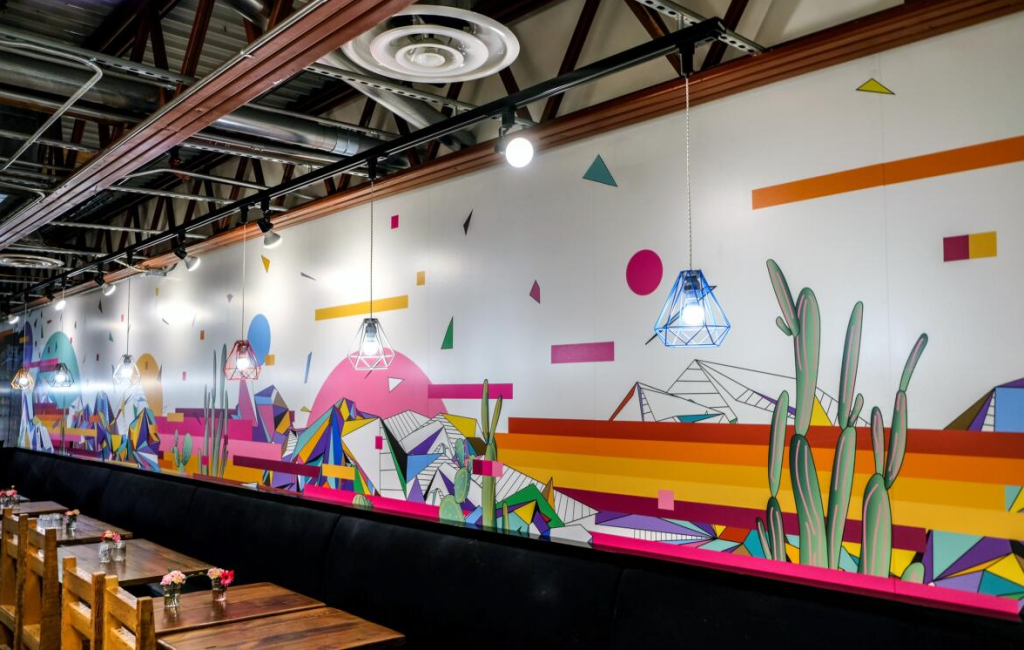
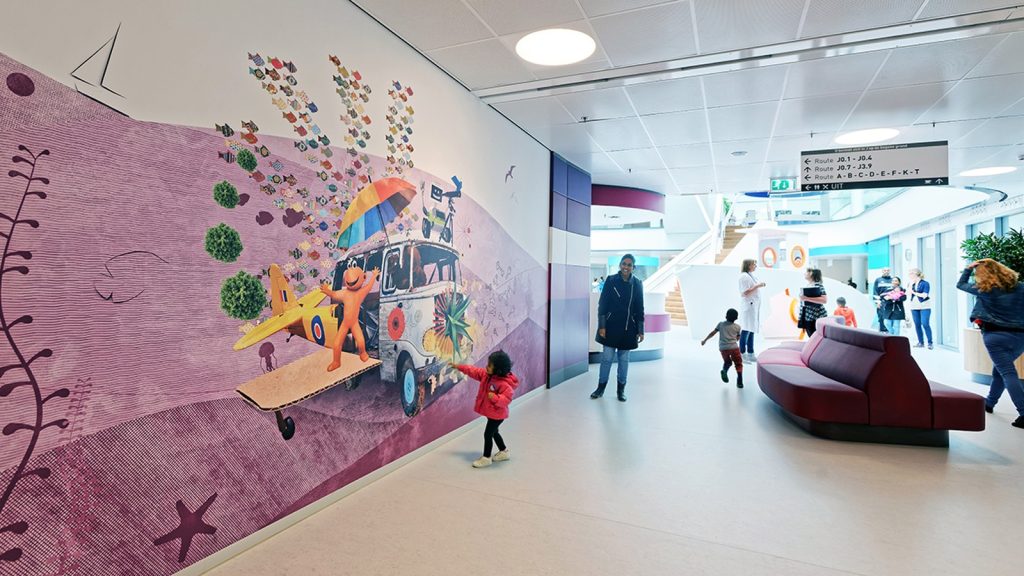
- Durability: Vinyl is highly resilient, standing up well to harsh weather conditions.
- Cost-Effective: Vinyl banners and signs are generally more affordable than fabric options.
- Easy Maintenance: Vinyl can be easily cleaned; dirt and stains can simply be wiped away.
- Versatile Mounting: Vinyl banners can be easily mounted using grommets
Cons of PVC Vinyl Banners
- Transport Challenges: Depending on size and weight, vinyl can be cumbersome to transport. It may crease and get damaged easily when folded, so rolling is recommended, which can take up additional space and increase shipping costs.
- Light Reflection: High-gloss vinyl has a natural sheen that can reflect light, making it less suitable for some photo backgrounds.
- Weight and Opacity: PVC Vinyl is a heavier material and is completely opaque, which may not suit all applications.
Fabric Banners: A Touch of Elegance
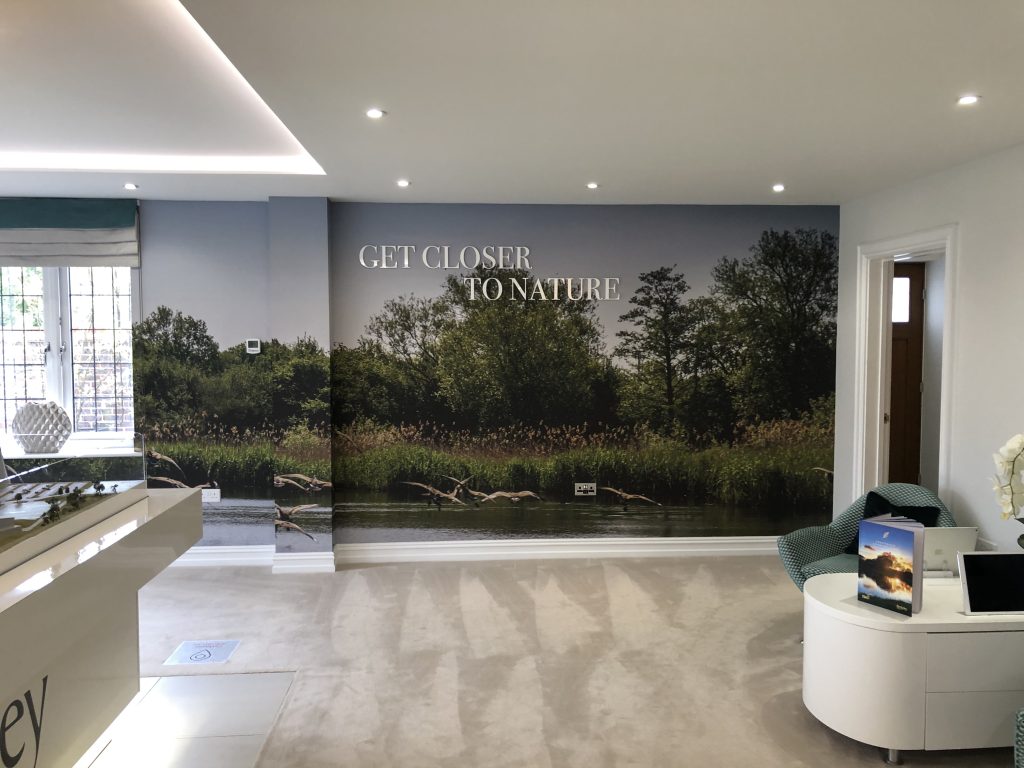
Fabric banners convey an elegant and upscale appearance, enhancing the overall look of your display. Most fabric banners are crafted from polyester weave, allowing for various printing techniques, with dye sublimation being the most prevalent, the other methods and options/alternatives include UV inkjet printing, and with self adhesive fabric (peel and stick) you can also protect the surfaces from structural attachments
Pros of Fabric Banners
- Eco-Friendly: Fabric is considerably more sustainable than PVC vinyl options.
- Transportable: Fabric can be folded, making it easier to store and transport, and handle.
- Washable: Fabric banners can be cleaned when necessary.
- Light Absorption: Unlike PVC Vinyl, fabric doesn’t reflect light, making it ideal for events with flash photography and step-and-repeat setups.
- Transparency: Fabric allows some light to pass through, enhancing the design’s visibility from behind.
- Sound Absorption: Fabric banners can help reduce noise, making them perfect for large venues with hard surfaces and minimal wall coverings.
Cons of Fabric Banners
- Cost-Effectiveness: While production costs have decreased, fabric banners are generally still more expensive than PVC vinyl.
- Weather Resistance: Fabric banners are generally less durable than PVC vinyl when exposed to the elements.
- Opacity: Fabric isn’t 100% opaque, so double-sided designs necessitate two separate banners welded or sewn together with a blockout material in between. However some are now availabe in opaque back.
Five Questions to Consider Before Choosing Your Banner Material
When selecting your choice of print substrate, the choice of material is crucial, but it’s not the only consideration. Here are five topical questions to consider before finalizing your material choice:
Will Your Print Be Indoors or Outdoors?
The location significantly impacts material selection. Outdoor banners need to withstand elements like rain, wind, snow, and sun, while indoor banners are sheltered but may face challenges with lighting affecting color visibility and contrast.
What Type of Design Will You Use?
The nature of your design—whether text-heavy, photo-realistic, or textured—affects material choice. Different materials reflect light uniquely and require specific inks.
What Size Will Your Banner or Sign Be?
Size determines weight, which can impact installation and how the banner is displayed. For larger banners with limited hanging options, lightweight materials might be preferable.
What Is Your Budget?
Fabric tends to be more expensive than vinyl, especially for banners under 1.2m. For larger banners (over 100 feet), material cost could be a key deciding factor.
Will Your Banner or Sign Require Storage?
Seasonal banners may need to be stored safely, making storage capabilities a critical consideration. If space is limited, fabric banners can be folded and stored compactly. Evaluate the risk of damage, mold exposure, maintenance needs, and space constraints when selecting material
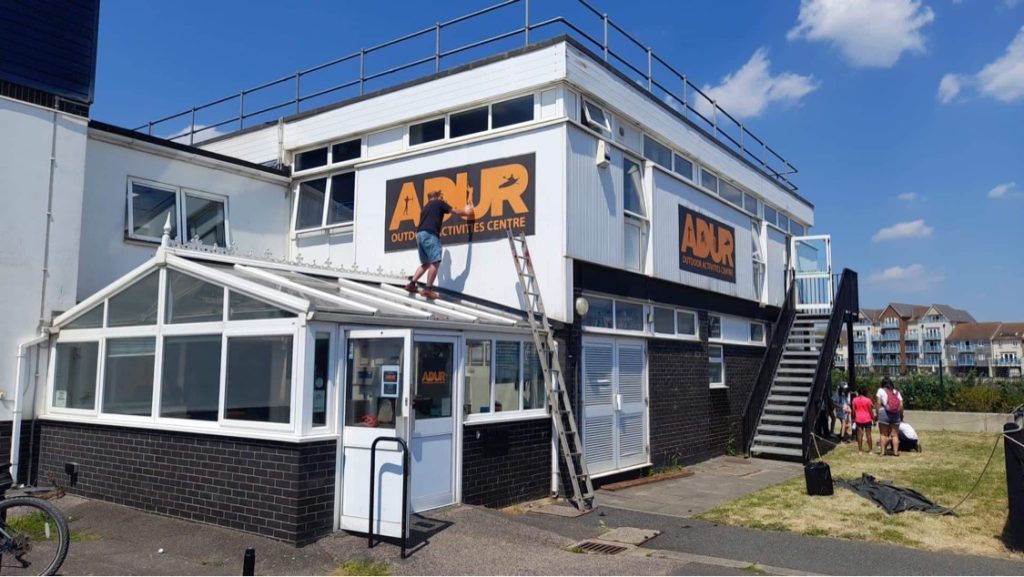
For many years now, at Landor Phototex we have brought an exciting and significant advantage to our customers by integrating the benefits of woven fabric, its structure, its aesthetic, and it overall sustainability.
For indoors the versatility of Phototex peel and stick adhesive fabric allows you to apply easily and remove in moments, but protecting the surfaces and areas you need for your campaign or your visual communications, even transforming walls and venues in moments.
Although not yet mainstream practice, fabrics can and will last outdoors and you can be assured of this if you add protective liquid lamination coatings which can be done by hand after install
You can usually gain up to double the life and protection for your printed images outdoors when using our range of liquid lamination coatings
 French
 English