
Museums and Essential Sustainable Practices
Museums play a crucial role in preserving cultural heritage, educating the public, and fostering appreciation for the arts and sciences. As institutions that usually occupy large buildings, manage extensive collections, and host numerous visitors, museums face significant operational costs and environmental impacts.
In response to growing concerns about sustainability, many museums are exploring ways to reduce their ecological footprint and save costs over the long term.
The Challenge of Sustainability in Museums
Museums are traditionally resource-intensive:
- Energy Consumption: Maintaining controlled environments for artifacts and visitor comfort requires substantial energy.
- Waste Production: Exhibitions, events, and daily operations generate significant amounts of waste.
- Resource Use: Constructing and updating exhibits often involves materials that are not always eco-friendly or recyclable.
- Labour Costs: Manual processes for installation, maintenance, and deinstallation of exhibits are labor-intensive and costly.
Addressing these challenges involves implementing strategies that not only reduce environmental impact but also align with the financial constraints and operational needs of museums.
Eco-Saving Strategies in Museums
Museums are adopting various eco-saving measures to enhance sustainability:
- Energy Efficiency: Upgrading lighting to LED, using smart climate control systems, and incorporating renewable energy sources.
- Waste Reduction: Implementing recycling programs, reducing single-use materials, and utilizing sustainable materials for displays and signage.
- Efficient Use of Resources: Designing modular, reusable exhibits and choosing materials with a lower environmental impact.
- Optimizing Labour: Streamlining processes and using technology to reduce the need for manual labor in exhibit management.
Role of Phototex in Sustainable Museum Practices
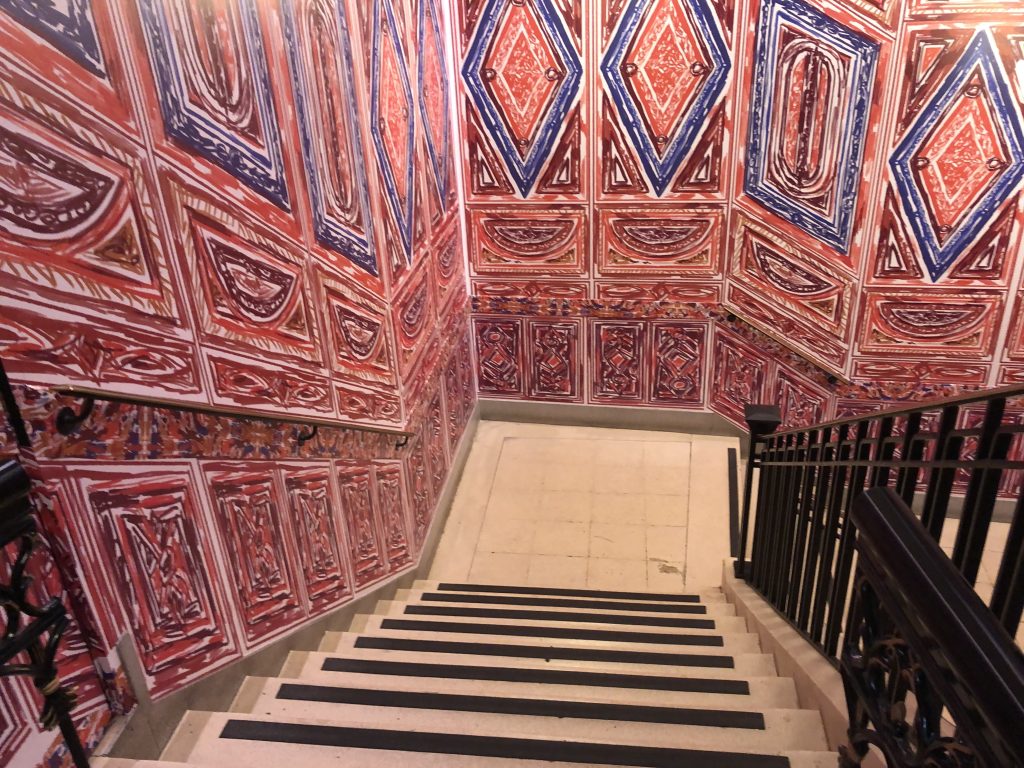
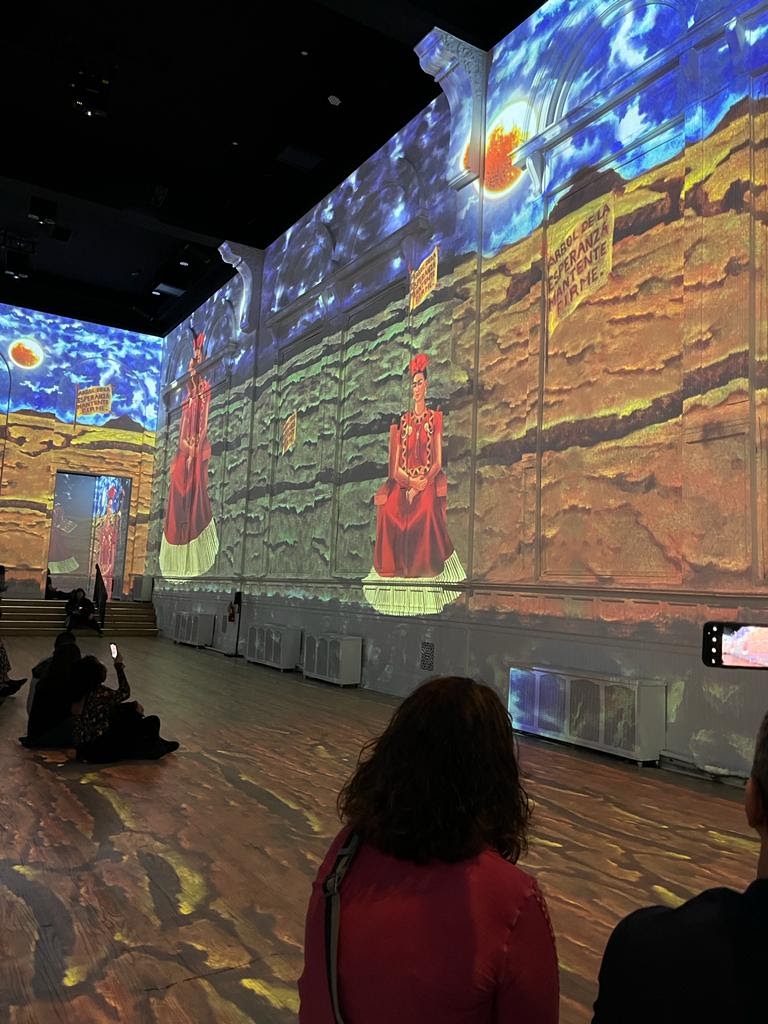
Phototex self-adhesive peel-and-stick removable fabric offers a versatile solution that aligns with museums’ goals for sustainability and cost-saving:
- Reusable and Durable: Phototex can be repositioned and reused without losing adhesion, reducing the need for frequent replacements and thereby minimizing waste.
- Eco-Friendly Material: It is free of harmful chemicals and PVC, making it a safer choice for the environment and for use in spaces frequented by the public.
- Ease of Use: The fabric is easy to apply, reposition, and remove without damaging walls or leaving residue, which simplifies the process of updating exhibits and reduces labor costs.
- Versatility: Suitable for a variety of surfaces, Phototex can be used for temporary exhibitions, promotional displays, and educational materials, providing a cost-effective alternative to traditional mounting methods.
- Reduced Installation Time: Its simple peel-and-stick application means that installation and changes can be made quickly, reducing downtime and labor costs. ,
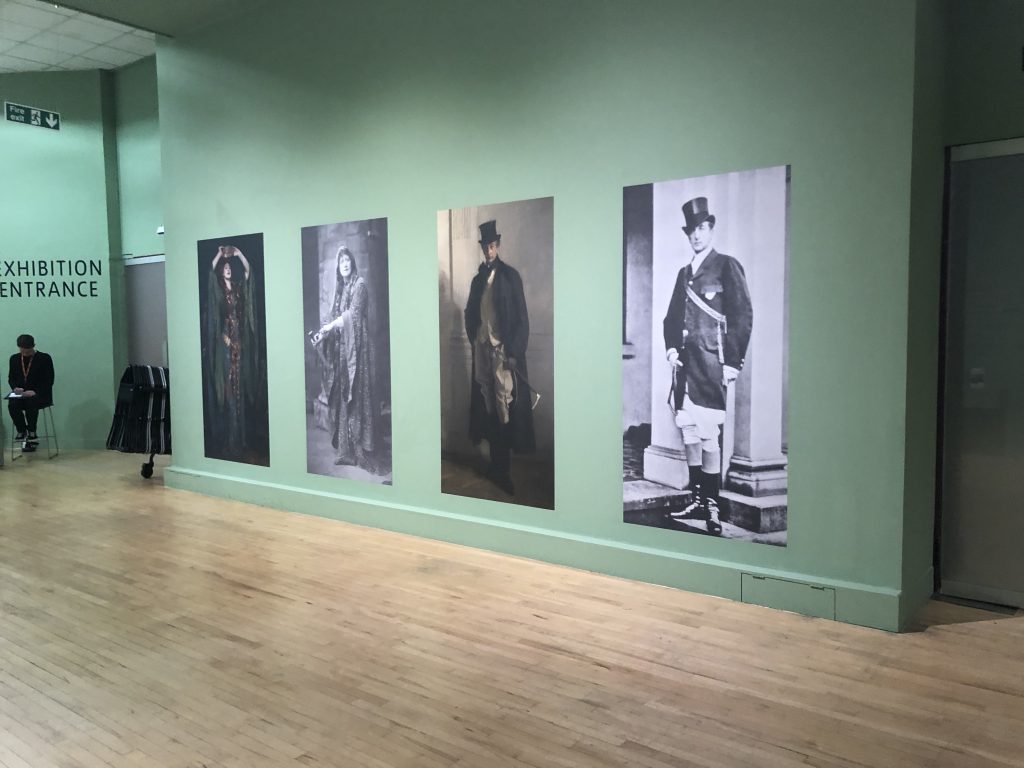
Phototex self-adhesive fabric plays a pivotal role in the museum industry, given its Sustainable and eco-friendly attributes and advantages over all other plastic and mounting and positioning materials and print, display materials
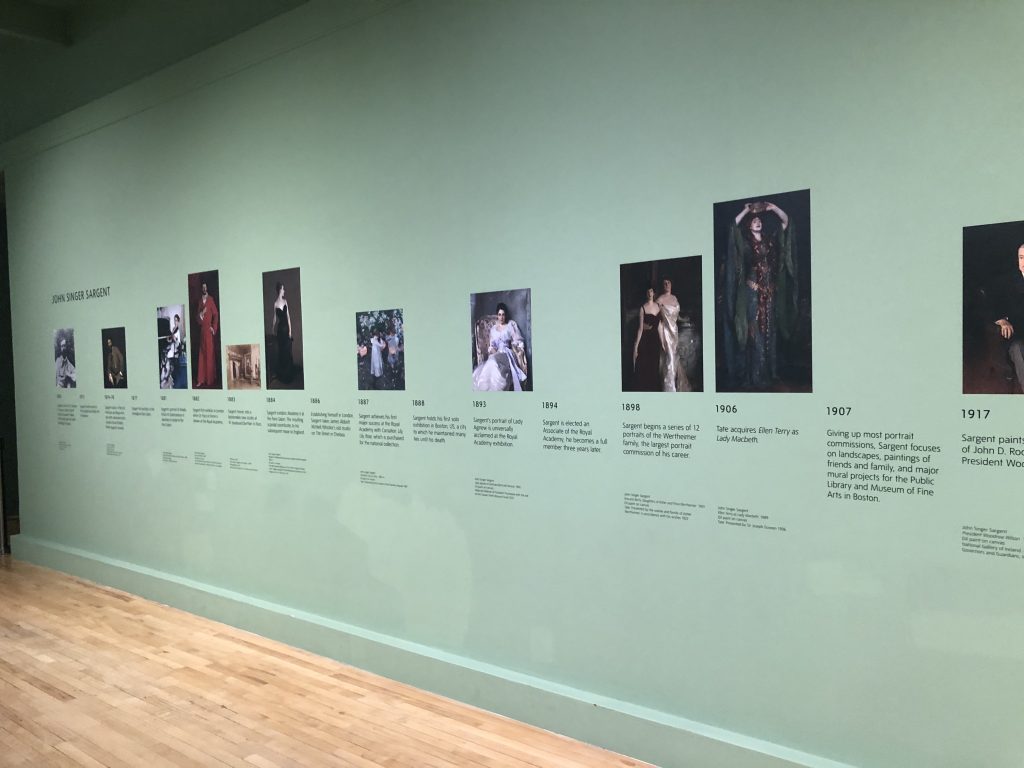
Starting with its aesthetic and woven fabric base, printable in high resolution graphics from a small image to full decorative wall murals, Phototex can be easily removed, repositioned and re-used as many times as you like without ever damaging the surfaces and walls providing two very distinct advantages: Replace the hoardings and the frames used in most museum exhibitions, and use your own walls, spaces and surfaces without every damaging your walls. Eliminating materials, waste, damage, repairs and disruptions associated with almost every exhibition and display.
Phototex Certifications and Test Passes
LEED Certified (Leadership in Energy and Environmental Design
and
Toxin, Lead Free and phthalate free certification
Impact of Phototex on Long-term Cost Savings
By integrating Phototex into their operations, museums can achieve significant long-term cost savings:
- Reduced Material Costs: Since Phototex is reusable and long-lasting, the need to purchase new materials for every exhibit change is diminished.
- Lower Labour Costs: The ease of installation and removal translates to fewer man-hours needed for exhibit setup and breakdown.
- Decreased Waste: The reusable nature of Phototex means less waste is generated from discarded exhibit materials.
- Operational Flexibility: The ability to quickly change exhibits without extensive preparation or cleanup allows museums to be more agile in their programming and displays.
Conclusion
As museums strive to balance their cultural missions with sustainable practices, innovations like Phototex play a pivotal role. This eco-friendly, cost-effective solution not only aligns with environmental goals but also supports operational efficiency and financial sustainability. By adopting such technologies, museums can continue to inspire and educate future generations while minimizing their impact on the planet.
 French
 English