
How to safely remove PVC Vinyl from the Wall without damaging the surface?
All too often the removal of your wall coverings can become challenging especially with Vinyl so we have put together a general summary to assist you to overcome as well as prepare for any challenges you may face or come across when you are ready to remove or replace your graphics.
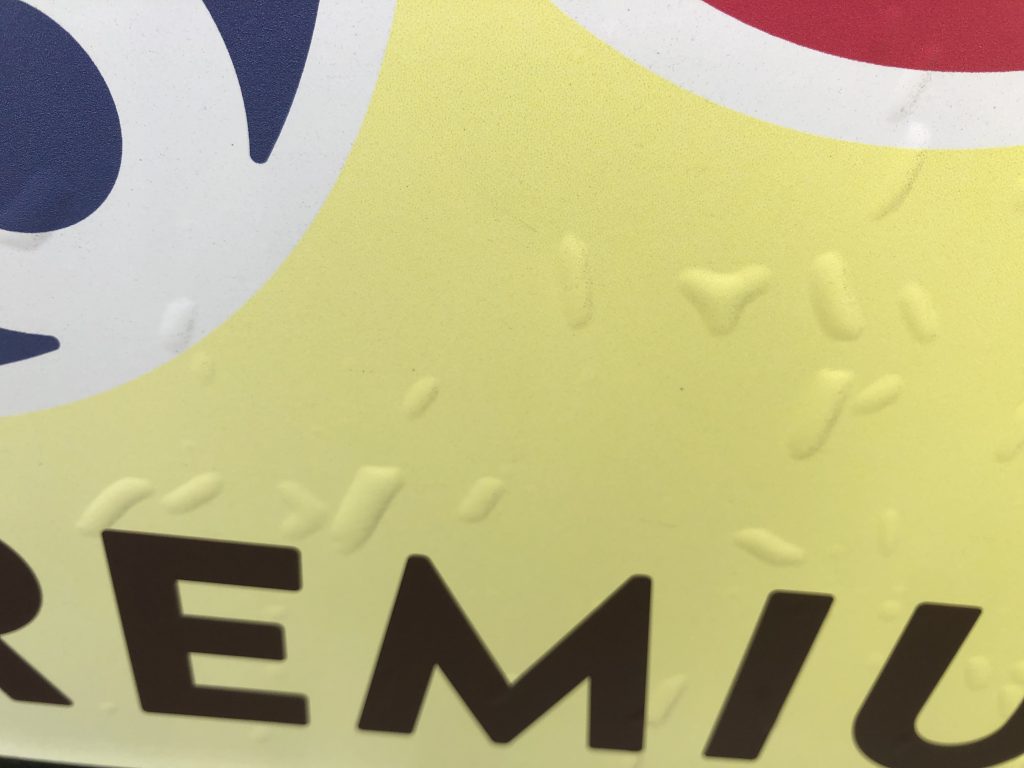
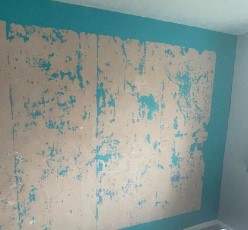
Vinyl graphics can be a real headache to remove, often leaving behind a sticky mess or even damaging your walls. The problem lies in the very nature of PVC vinyl and its adhesives, especially after being on a wall for a while or exposed to heat
The Sticky Truth: Why Vinyl Removal is a Nightmare
Vinyl, particularly monomeric PVC vinyl, is prone to issues like:
-
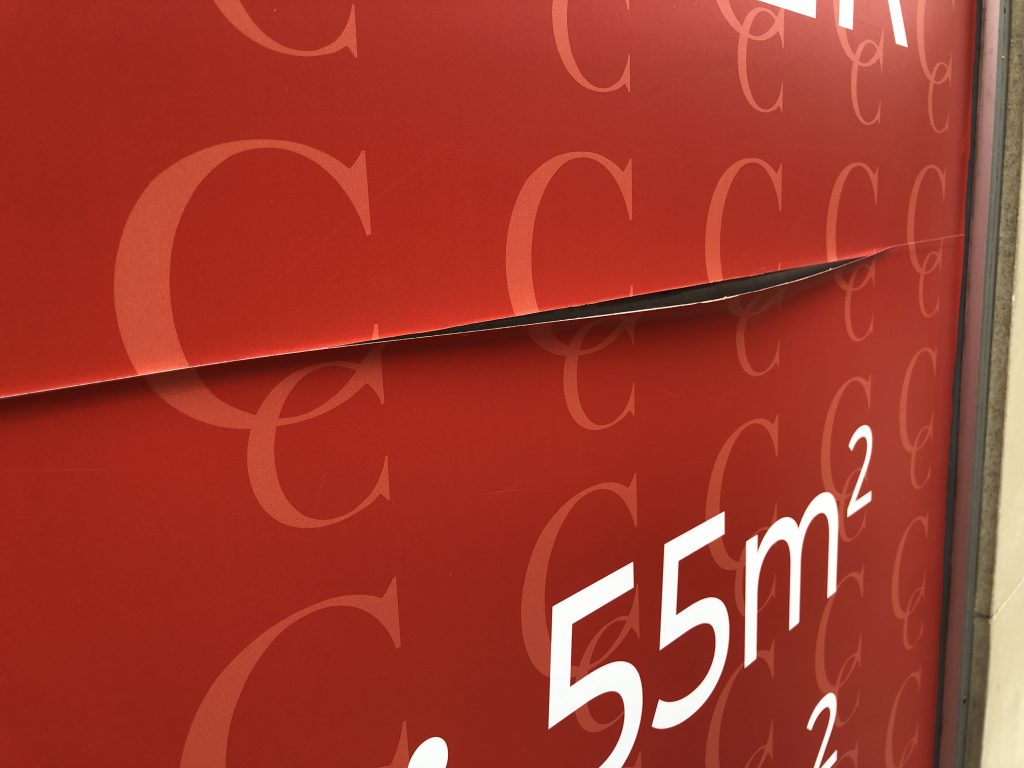
Plasticizer Migration: PVC needs plasticizers to make it flexible. Over time, and especially with heat, these plasticizers can leach out of the vinyl. This makes the vinyl brittle and rigid, causing it to shrink and crack. It’s why older vinyl often looks like a dried-out decal that breaks into tiny pieces.
-
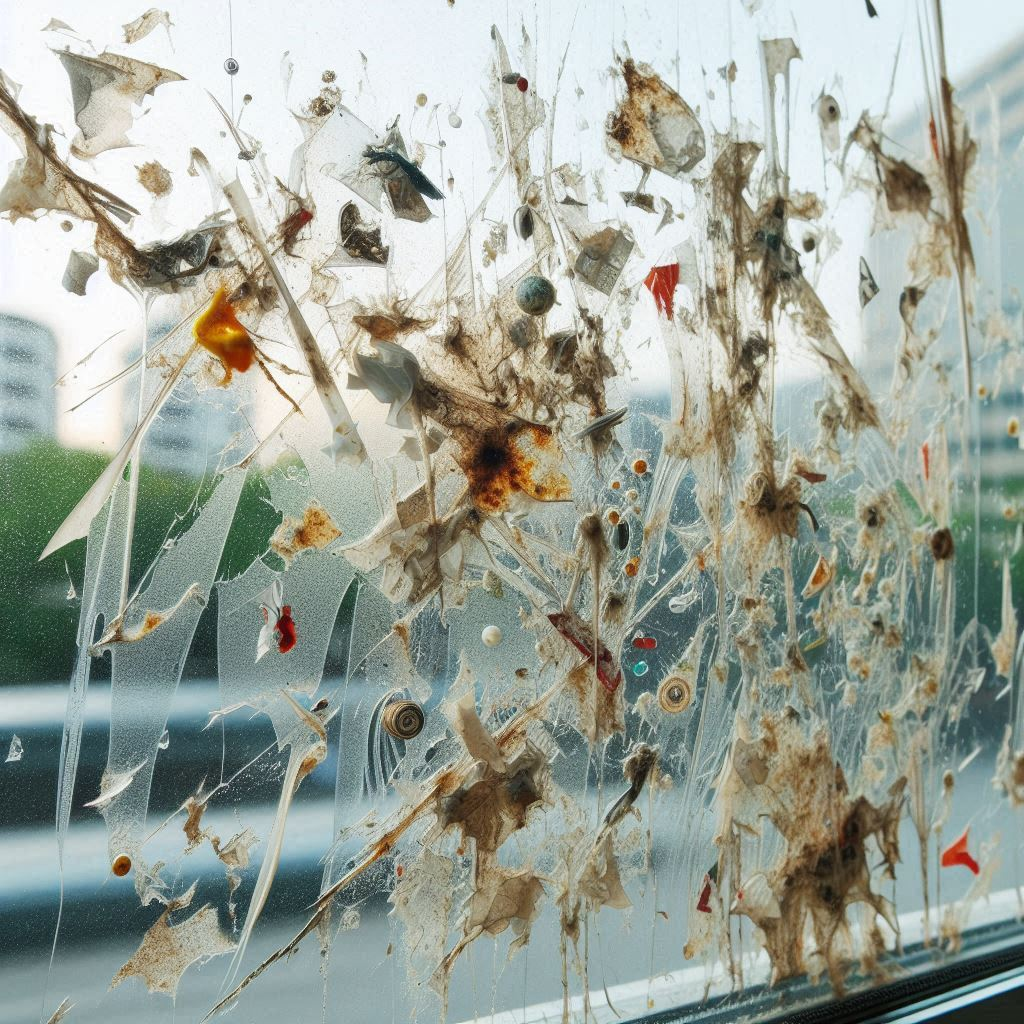
Adhesive Degradation: As plasticizers migrate, they can also react with the adhesive, turning it into a gooey, sticky residue that’s incredibly hard to remove. This residue often requires harsh chemicals or intense scrubbing, leading to more work and potential damage.
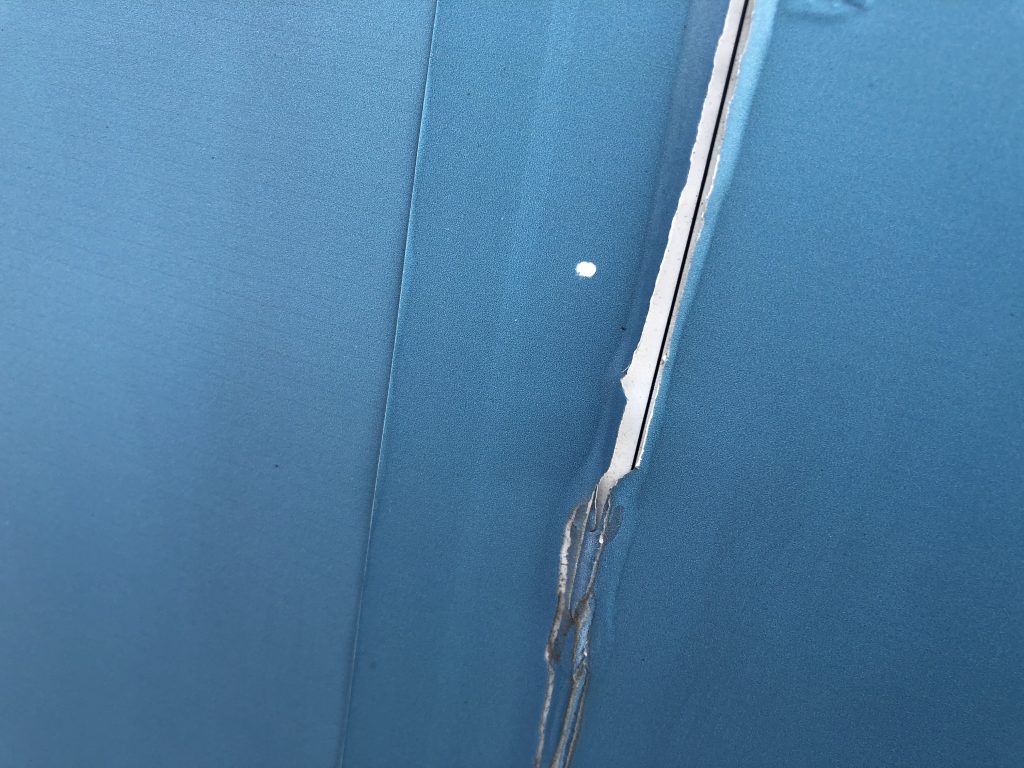
- Surface Damage: When you try to peel off brittle, shrinking vinyl or scrape off degraded adhesive, you risk tearing off paint, plaster, or even drywall. This means costly repairs and repainting.
-
Time and Labor Intensive: Removing old vinyl is a slow, frustrating, and labor-intensive process, eating into your budget and delaying your next project.
Beyond the practical problems, PVC vinyl also contains chlorine, which can release harmful dioxins when manufactured or incinerated. Many older vinyls also contain phthalates (a type of plasticizer), which have health concerns. While regulations are improving, the environmental footprint and potential health impacts are real considerations.
-
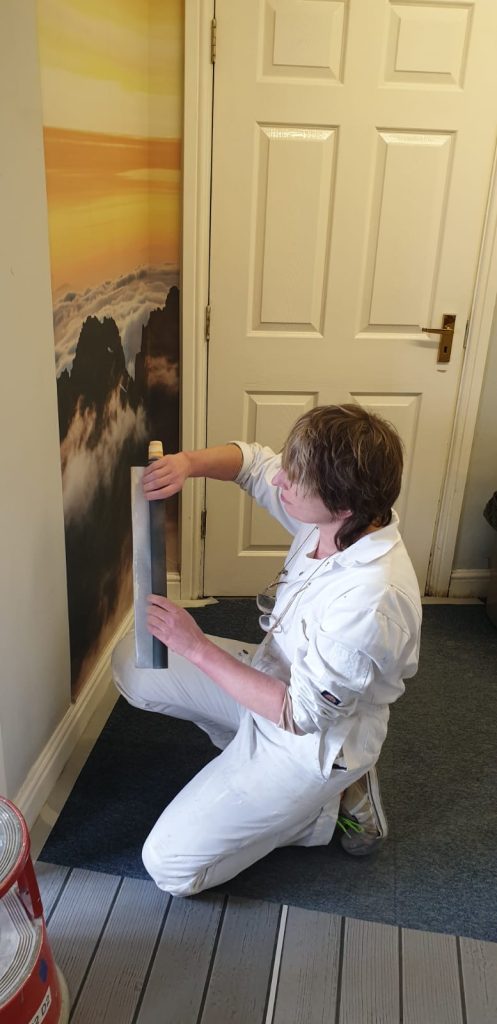
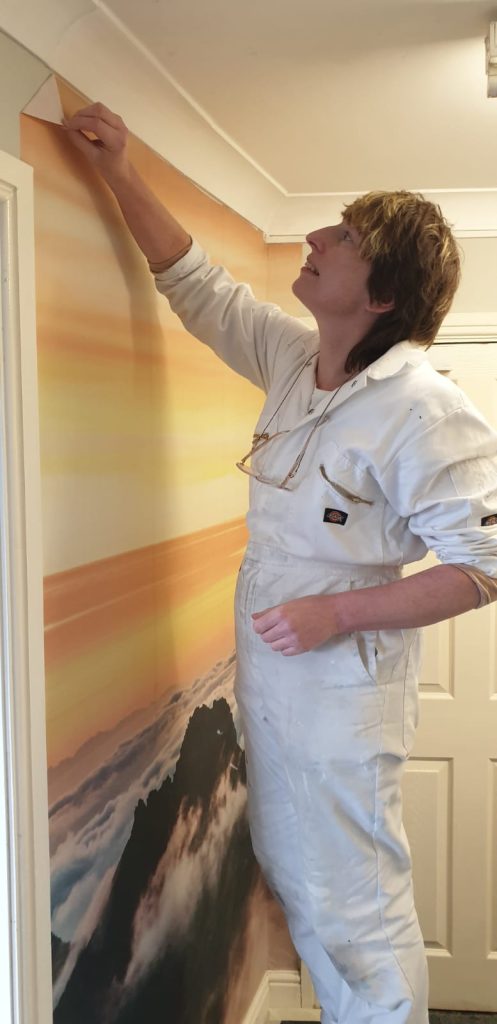
Save Time & Money: With easy removal, you eliminate the need for surface repairs, repainting, and the extensive labor associated with vinyl cleanup. This means faster turnovers and significant cost savings.
-
Eco-Friendly Choice: Being PVC-free, Phototex offers a more sustainable option for your interior graphics, contributing to healthier indoor environments.
Protect Your Walls Next Time: The Phototex Advantage
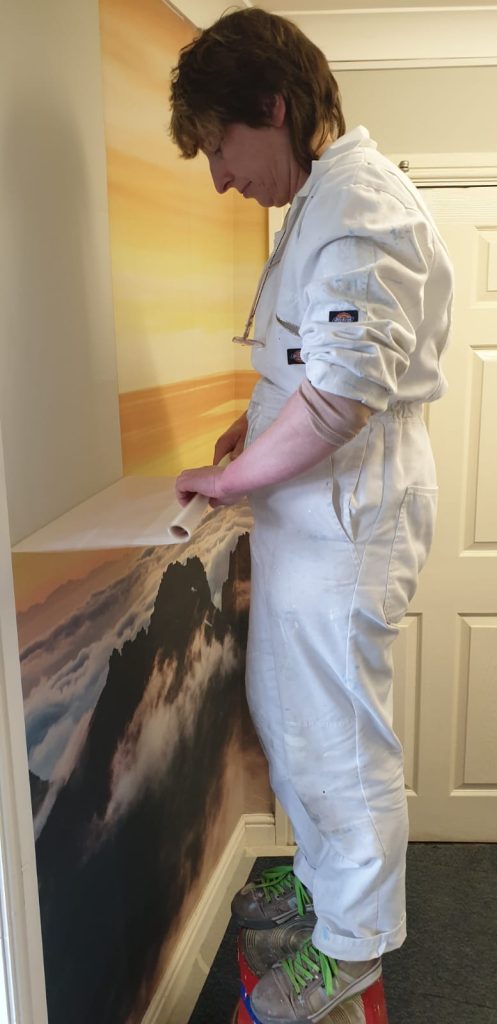
Imagine a graphic that goes up easily, stays put, looks fantastic, and then—when it’s time for a change—peels off cleanly without a trace of damage or residue. That’s the promise of Phototex peel-and-stick fabric.
Here’s why Phototex is the superior choice for your walls:
-
Non-PVC Fabric: Phototex is made from a durable polyester fabric, not PVC. This means no plasticizer migration, no cracking, and no brittleness. It maintains its integrity and dimensional stability.
-
Unique, Residue-Free Adhesive: Our patented adhesive is designed for clean removal, every single time. Whether it’s been up for weeks, months, or years, Phototex comes off easily, leaving your walls pristine. No sticky residue, no paint damage.
-
Easy Installation & Repositioning: The adhesive allows you to apply and reposition the graphic multiple times during installation, ensuring a perfect, bubble-free finish without the stress.
Don’t compromise your walls or your budget with difficult-to-remove vinyls. Contact us about the significant benefits and advantage to go->Phototex!
Phototex peel-and-stick fabric and experience the difference of truly damage-free, residue-free, and effortless graphic changes.
Removing stubborn, stuck, or brittle vinyl from walls can be a challenging task, often requiring patience and the right tools to avoid damaging the underlying surface. Here’s the best approach, combining heat, gentle mechanical action, and appropriate cleaners:
-
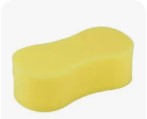
Cleaning Cloths/Sponges: Several clean, soft cloths or sponges.
-
Warm, Soapy Water: A mild dish soap mixed with warm water.
-
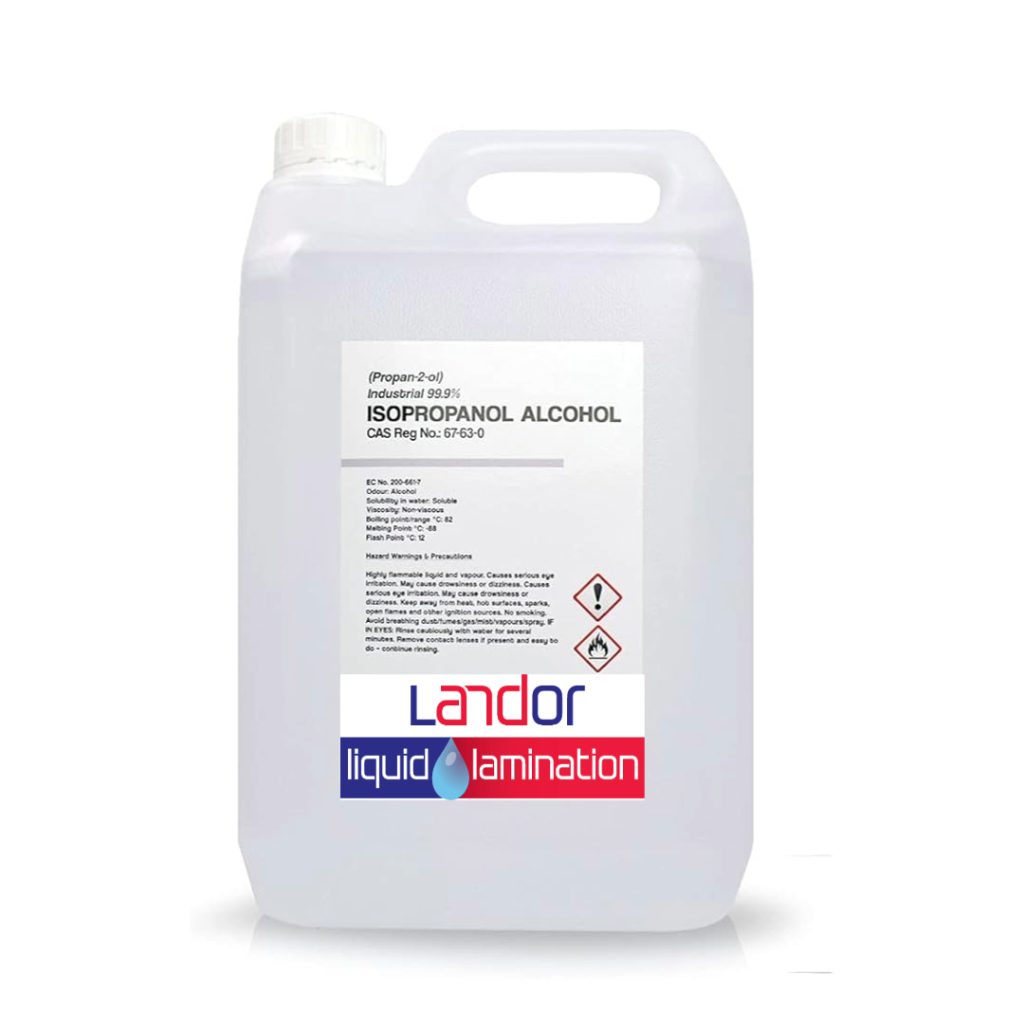
Rubbing Alcohol (IPA): For tougher adhesive residue.
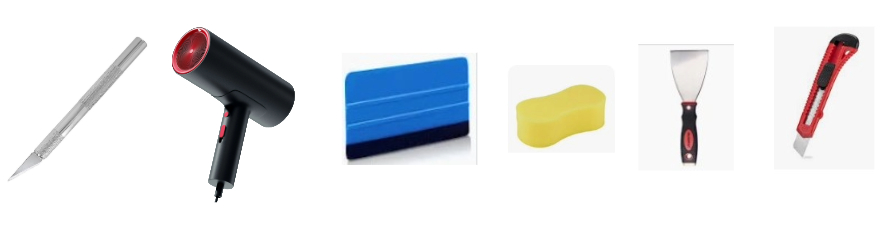
Gather Your Tools:
-
Heat Source: A hair dryer is generally preferred over a heat gun for painted walls because it provides more controllable, gentler heat, reducing the risk of damaging paint or plaster. If using a heat gun, use it on the lowest setting and keep it moving.
-
Scraper/Lift Tool: A plastic scraper, old credit card, plastic putty knife, or even your fingernail is ideal. Avoid metal scrapers as they can easily scratch or gouge the wall surface.
-
Adhesive Remover (Optional but Recommended for Residue): A specialized, water-based or citrus-based adhesive remover designed for painted surfaces. Test in an inconspicuous area first. Products like Landor’s Adhesive Remover are specifically formulated for this.
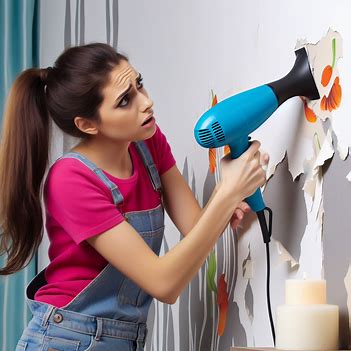
2. Apply Gentle Heat (The Most Crucial Step):
-
Target the Vinyl: Turn your hair dryer (or heat gun on low) to a medium setting. Hold it about 6-8 inches away from the vinyl you want to remove.
-
Warm in Sections: Move the heat source back and forth over a small section (e.g., a 6-inch by 6-inch area) for 20-30 seconds. The goal is to warm the vinyl and soften the adhesive, not to make it hot to the touch or scorch it.
-
Test the Temperature: Briefly touch the vinyl to ensure it’s warm, but not so hot that it could damage the paint underneath. Overheating can make the adhesive even gummier or damage the wall.
3. Lift and Peel Slowly:
-
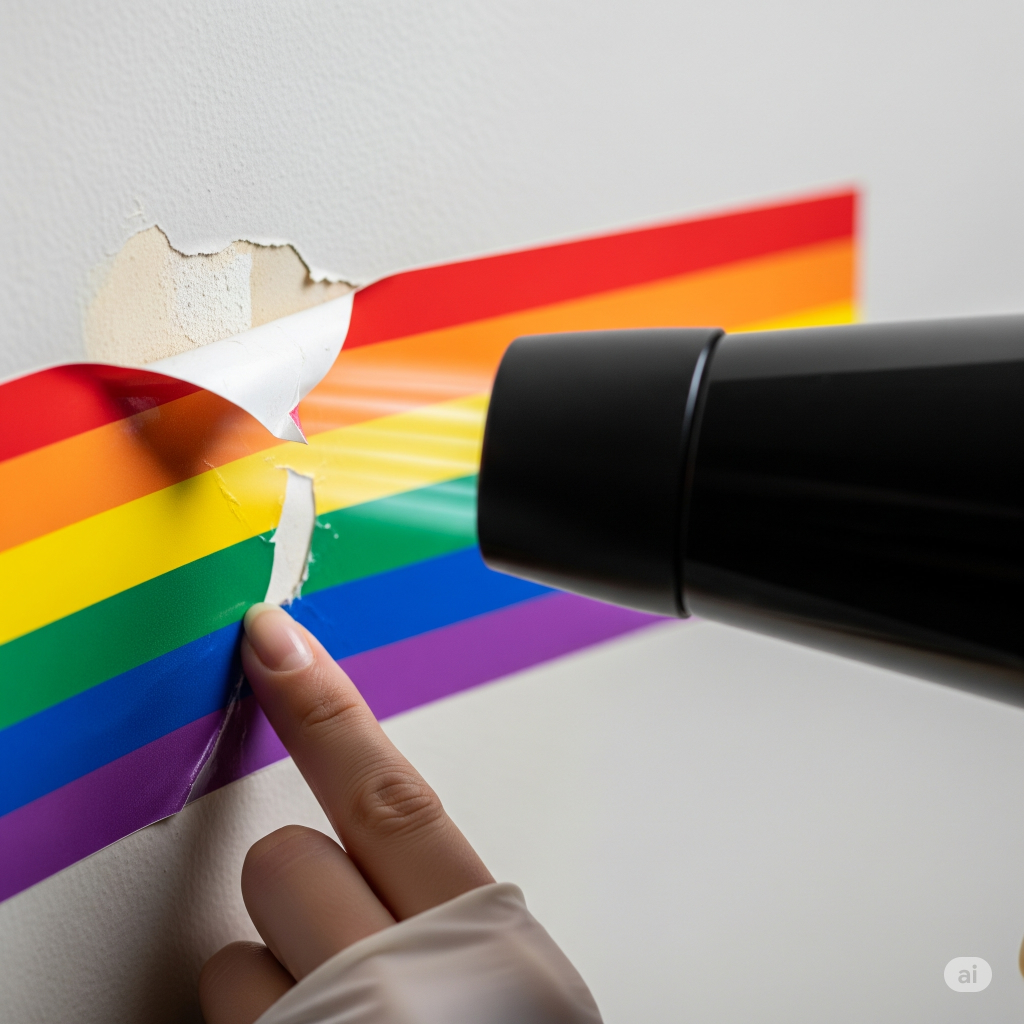
Start an Edge: Once the area is warm, immediately use your plastic scraper, credit card, or fingernail to gently lift a corner or edge of the vinyl.
-
Peel Low and Slow: Once you get an edge up, pull the vinyl back slowly and steadily, at a low angle (ideally 45 degrees or less) parallel to the wall. Avoid pulling straight out, as this is more likely to pull off paint or plaster.
-
Reapply Heat as Needed: If the vinyl starts to resist, tear, or leave excessive adhesive behind, stop pulling and reapply heat to that section before continuing. Patience is key, especially with brittle or old vinyl. Work in small sections, heating as you go.
Lorem ipsum dolor sit amet, consectetur adipiscing elit. Ut elit tellus, luctus nec ullamcorper mattis, pulvinar dapibus leo.
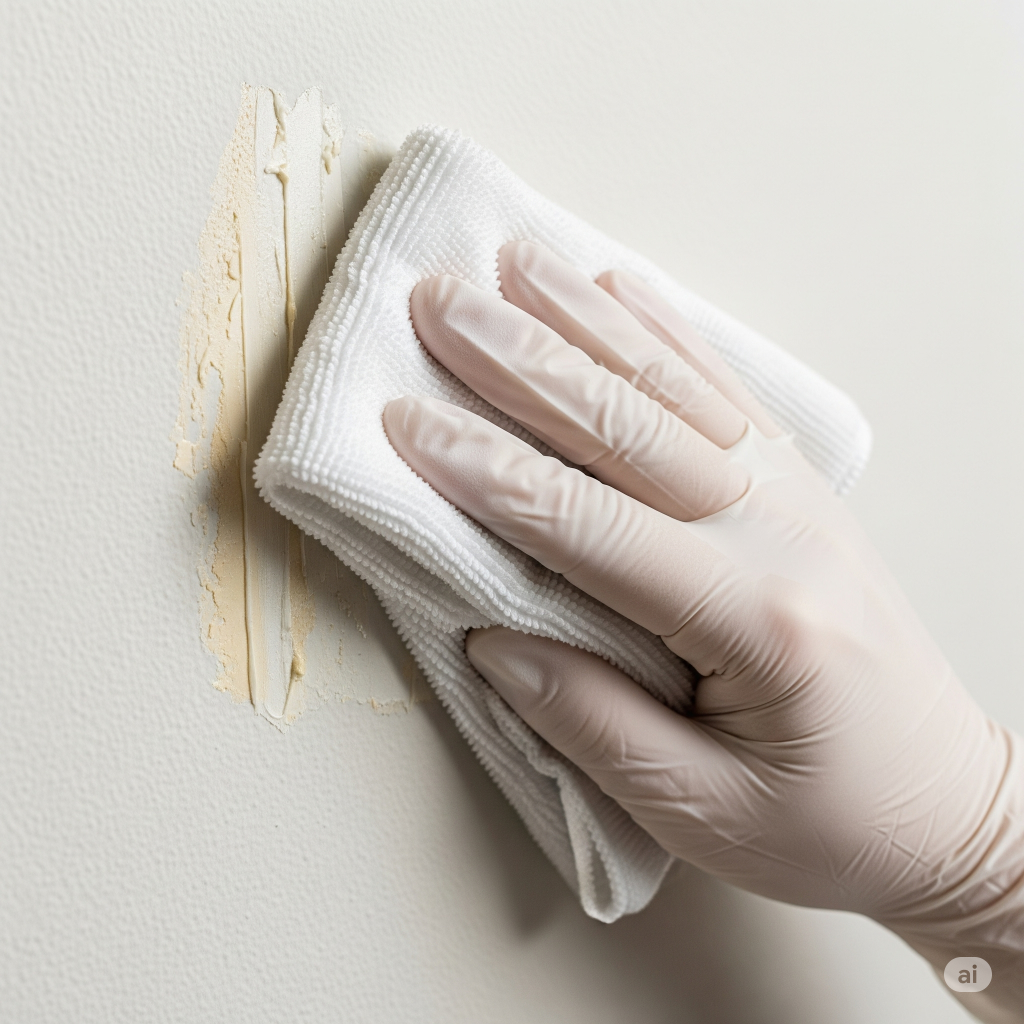
4. Remove Remaining Adhesive Residue:
-
Initial Rubbing: For minor residue, sometimes gently rubbing it with your finger or a clean cloth can cause it to ball up and peel off.
-
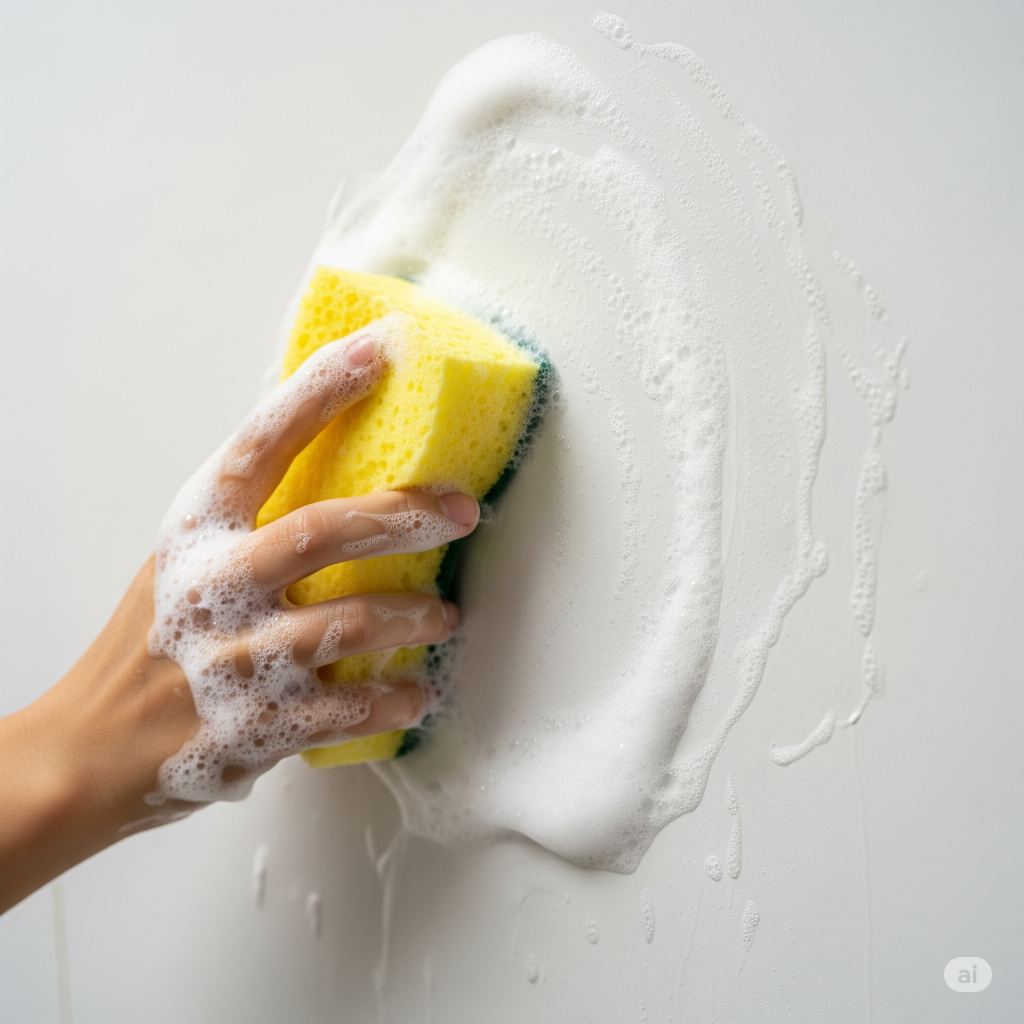
Warm, Soapy Water: For slightly more stubborn residue, apply warm, soapy water with a soft cloth and gently scrub in a circular motion. Wipe clean with a damp cloth.
-
Rubbing Alcohol (IPA): If soap and water aren’t enough, dampen a clean cloth with rubbing alcohol (isopropyl alcohol). Gently rub the adhesive residue. Test this in an inconspicuous area first, as alcohol can sometimes affect delicate paints, though it’s generally safe for most common wall paints.
-
Specialized Adhesive Removers: For the most stubborn, hard, or thick residue, use a dedicated adhesive remover. Always choose one that is safe for painted surfaces and test it on a hidden area of the wall first to ensure it doesn’t discolor or damage the paint. Apply according to the product’s instructions, let it dwell for the recommended time, then gently wipe or scrape away the softened residue. Follow up with a clean water rinse.
5. Clean the Wall:
-
Once all the vinyl and residue are removed, clean the entire area with a mild soap and water solution to remove any remaining cleaner or adhesive traces. Rinse thoroughly with clean water and let the wall dry completely before any patching or repainting.
Why Vinyl Can Be So Problematic (and How Phototex Protects Your Walls):
The difficulties in removing old or stuck vinyl stem from its material properties and adhesive technology:
-
PVC Composition: Most vinyl graphics are made of PVC (Polyvinyl Chloride). To make PVC flexible, plasticizers are added. Over time, especially with exposure to heat and UV light, these plasticizers can leach out of the vinyl.
-
Result: The vinyl becomes brittle, shrinks, and cracks easily during removal, often breaking into tiny, frustrating pieces.
-
Adhesive Interaction: The migrating plasticizers can also chemically react with the adhesive, turning it into that gooey, hard-to-remove, sticky mess or causing it to bond too aggressively to the wall.
-
-
Adhesive Strength: While intended to stick, some vinyl adhesives, particularly permanent ones, are formulated for very strong, long-term bonds. This strength, combined with environmental factors, makes clean removal extremely challenging.
-
Environmental Concerns: As you noted, PVC’s production and disposal (especially incineration) can release dioxins, and many older vinyls contained phthalates, raising environmental and health concerns.
The Phototex Advantage
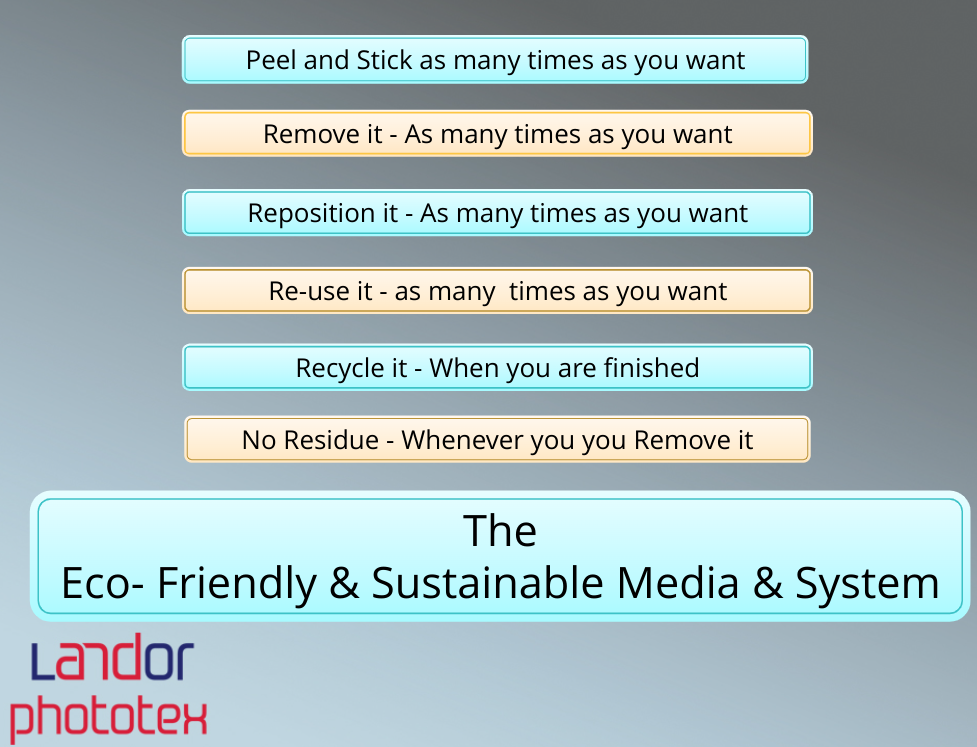
Durable woven fabric with unique adhesive protects your walls throughout the life of your art, creation or image and restores your walls and surfaces as soon as you pull it off the wall.
If you would like to reposition elsewhere, or share with a friend, Phototex can be used just about as many times you like and can be recycled when finished.
Contact us for your next project and we will assist you with a sustainable and eco friendly solution that save you time, waste, energy, repairs and renewals.
Our teams and our print, installations, design partners will be happy to assist you and bring your next idea and inspriation into a rewarding reality.
Contact us today for a free sample print and further Advice or Guidance
Talk to us or to get your next project started
If you would like more information about our product range, Application support, or to request a free sample Pack, please fill in the form.
 English
 French